
Design Icon: Ignazio Gardella
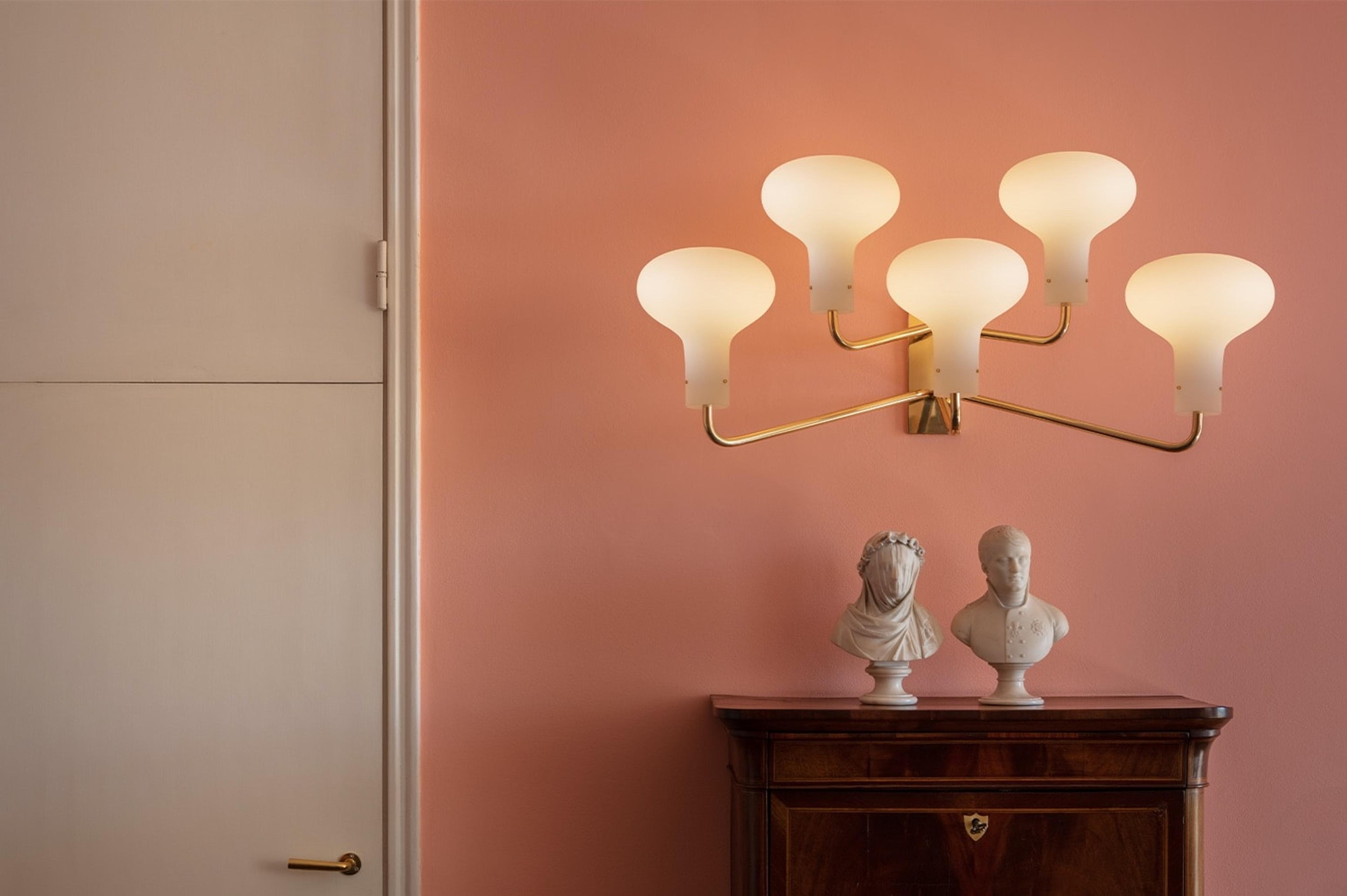
Discover the life and the works of Ignazio Gardella, architect and designer, and the profound impact he has made on the Modernist and Rationalism movements throughout his career: from his unforgettable houses in Venice to timeless lighting fixtures, delve into the projects and hi personal approach to them. Scroll through a variety of some of his lighting fixture designs, edited today by Tato.
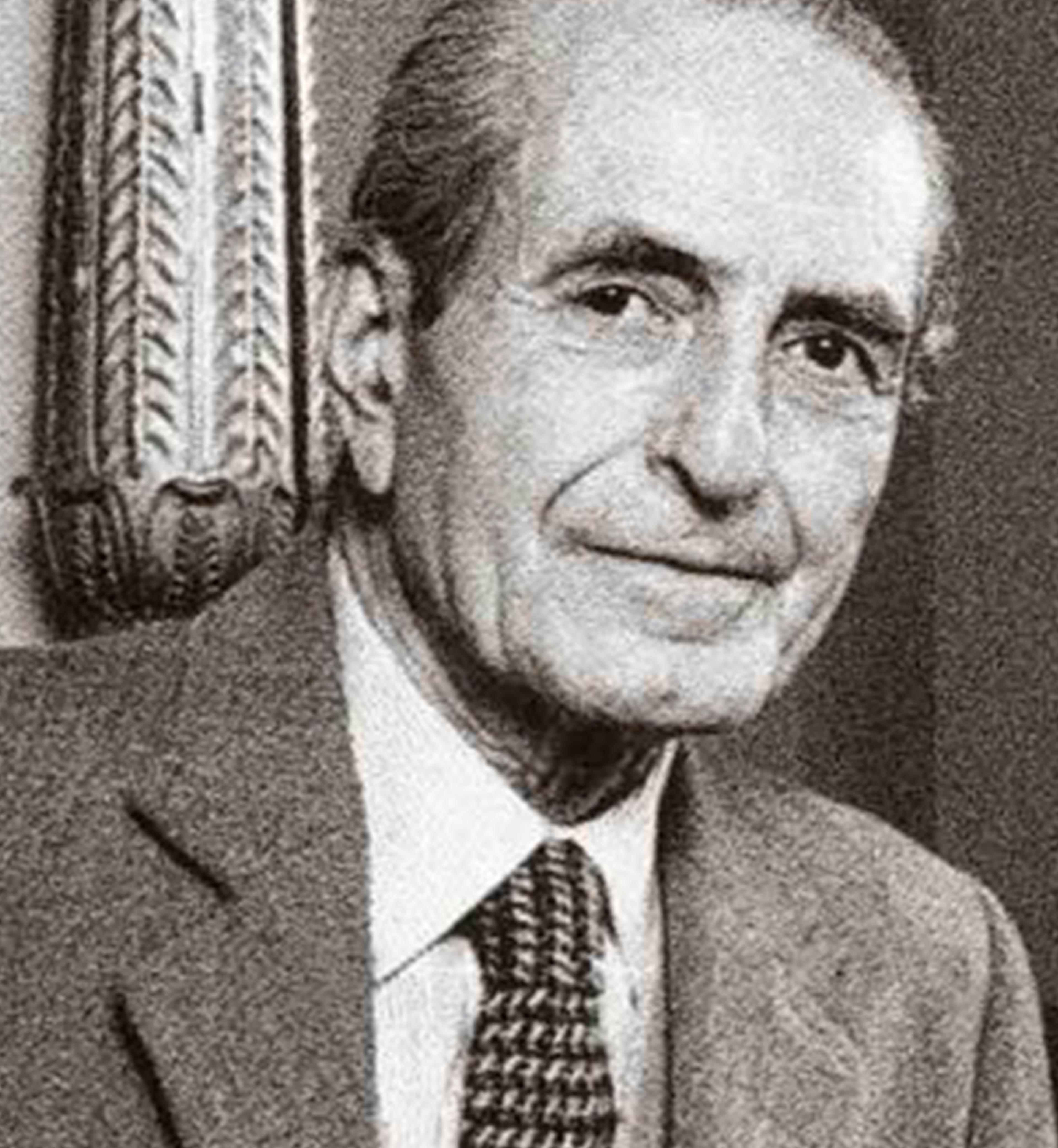
Ignazio Gardella was an Italian architect, engineer, academic, and designer born in Milan in 1905 in a Genovese family of architects: both his father and grandfather were renowned architects in their times, and Ignazio enrolled in the Civil Engineering faculty of the Politecnico di Milano to follow the footsteps of his family. Gardella is considered a prominent member of the third generation of the Italian Modern Movement along with Carlo Scarpa, as well as one of the greatest exponents of Italian Rationalism.
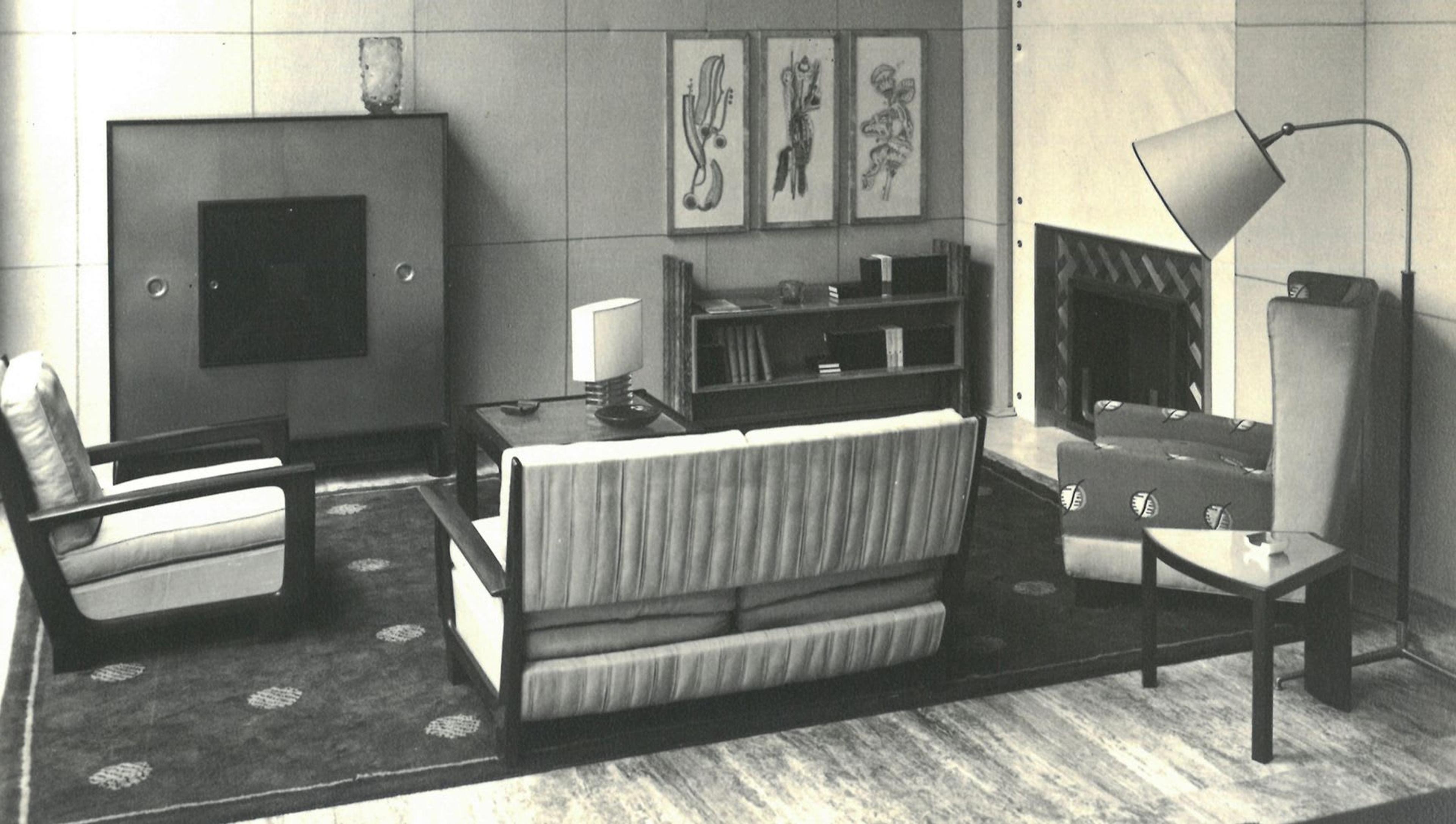
In addition to his architectural activity, Ignazio Gardella also took interest in product design as early as 1947, when he founded with Luigi Caccia Dominioni the Azucena Agency to design products with high quality standards. For his agency, he designed primarily decorative furniture, combining modernist aesthetics and formal elegance mirroring his architectural practice.
And if someone asks me what architecture is, I say: give me a theme and a place and I'll give you a project.
His activity started very early after his graduation, when in 1929 he participated in the design and building process of numerous architectural projects in the Piedmont region, such as the church of the Antituberculosis Clinic and the Laboratorio Provinciale di Igiene in Alessandria, now considered exceptional examples of Rationalism.
His works followed practices and lines that would now be considered classic, as he conceived each building and piece with refined details and timeless research, often adhering to the current movement that was taking over the Italian scene such as Modernism or Rationalism, and combined each influence to execute outstanding projects. His aim was to make each visitor disoriented at first with complex structures, yet at ease with the comfort of recognizable patterns.
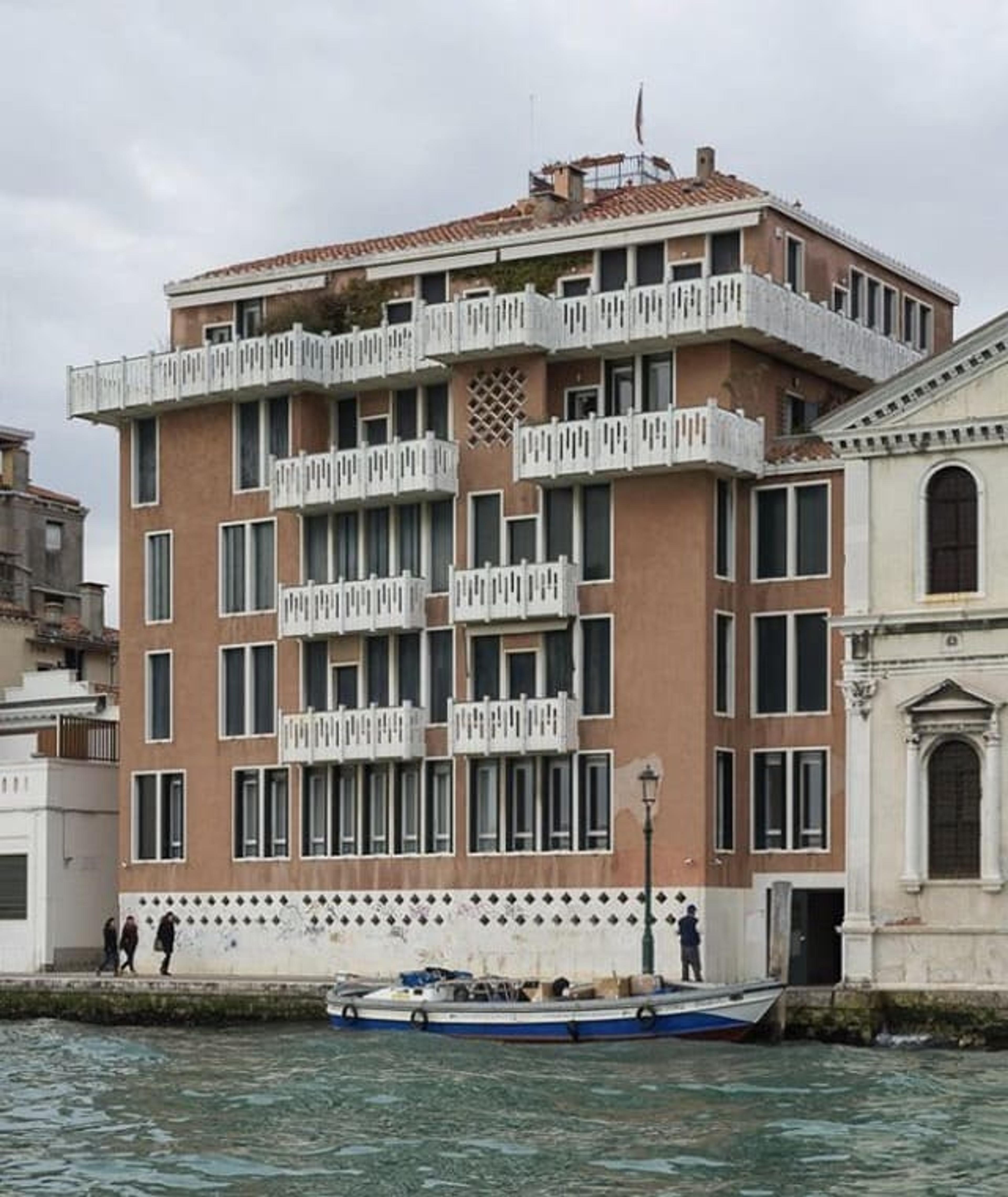
The Casa alle Zattere in Venice, finished in 1953, is one of the finest example of his work, towering over the canal with its unmistakable repetitive windows and lines.