Editor's pick

DMG Fiesole
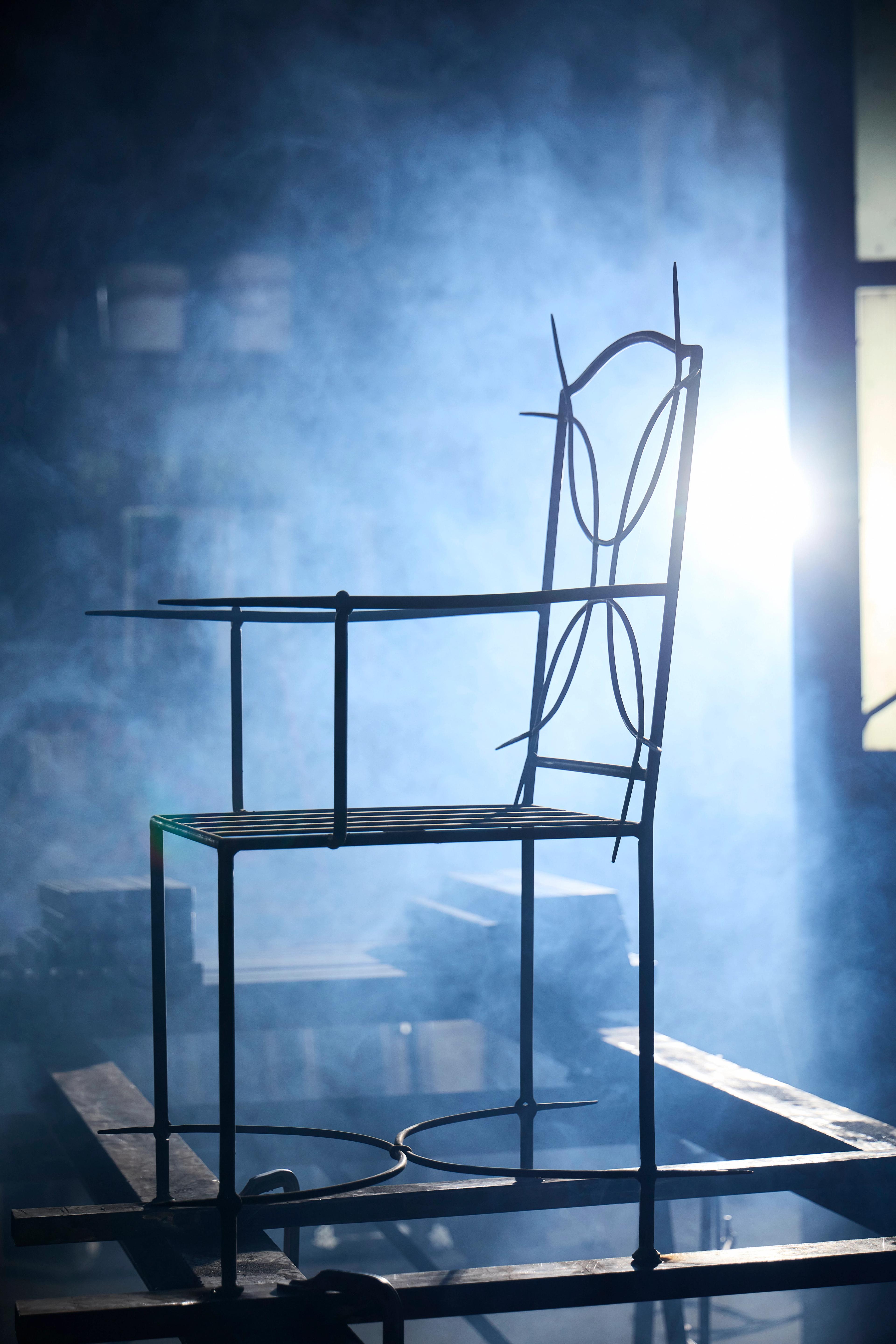
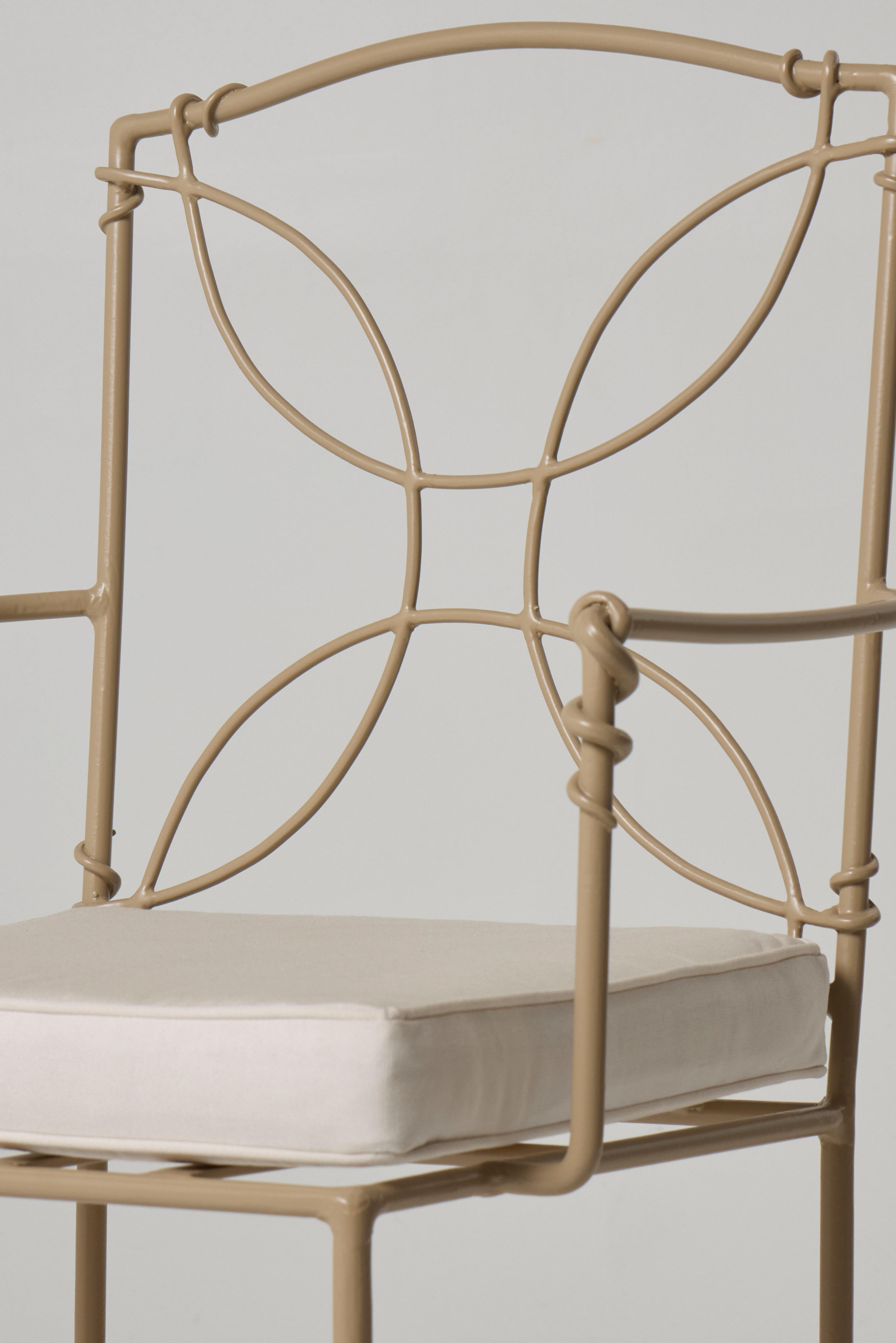
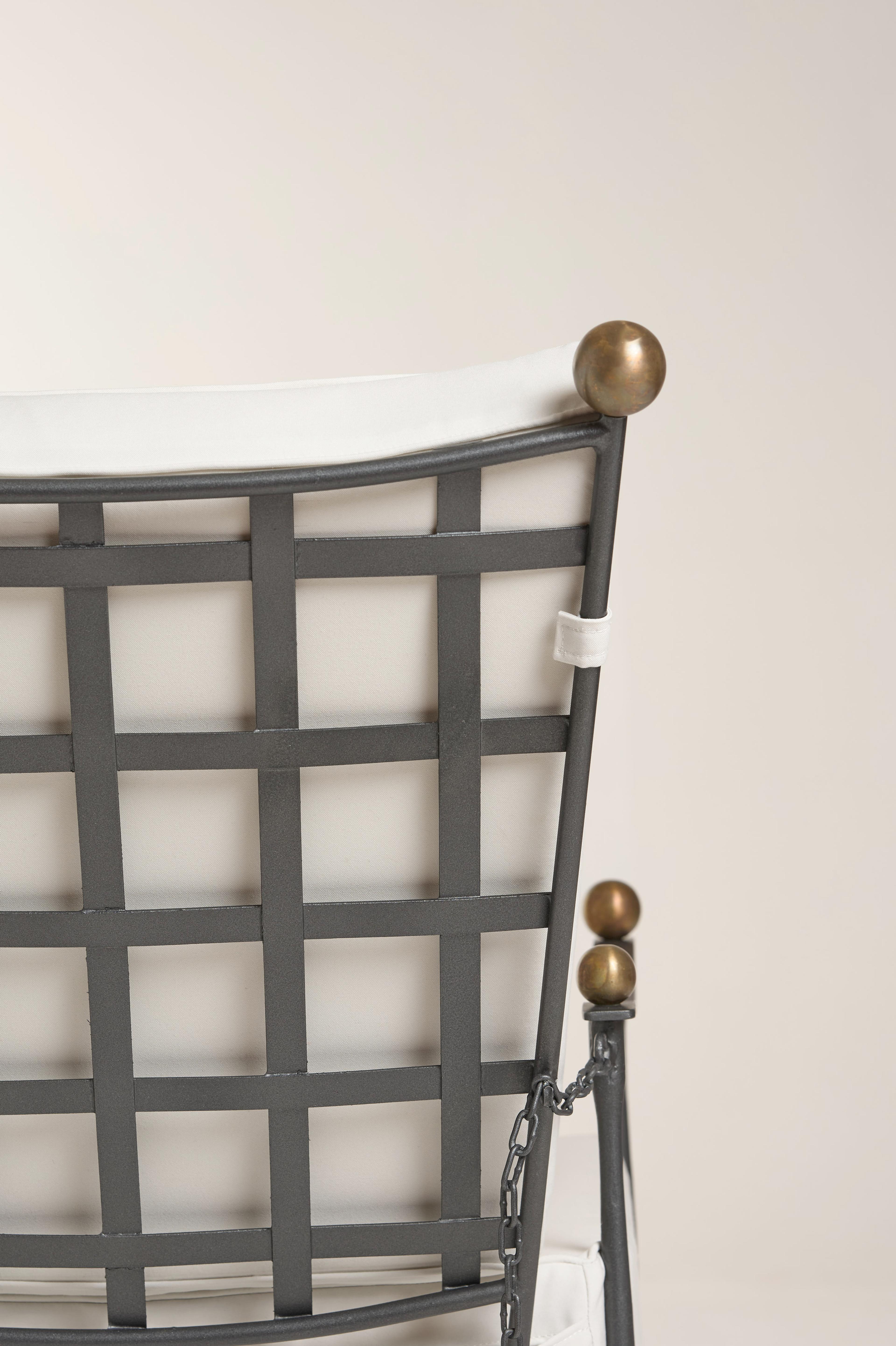
Crossweave Cushioned Wrought-Iron Chair
USD 1,975
Handcrafted in 7-8 weeks
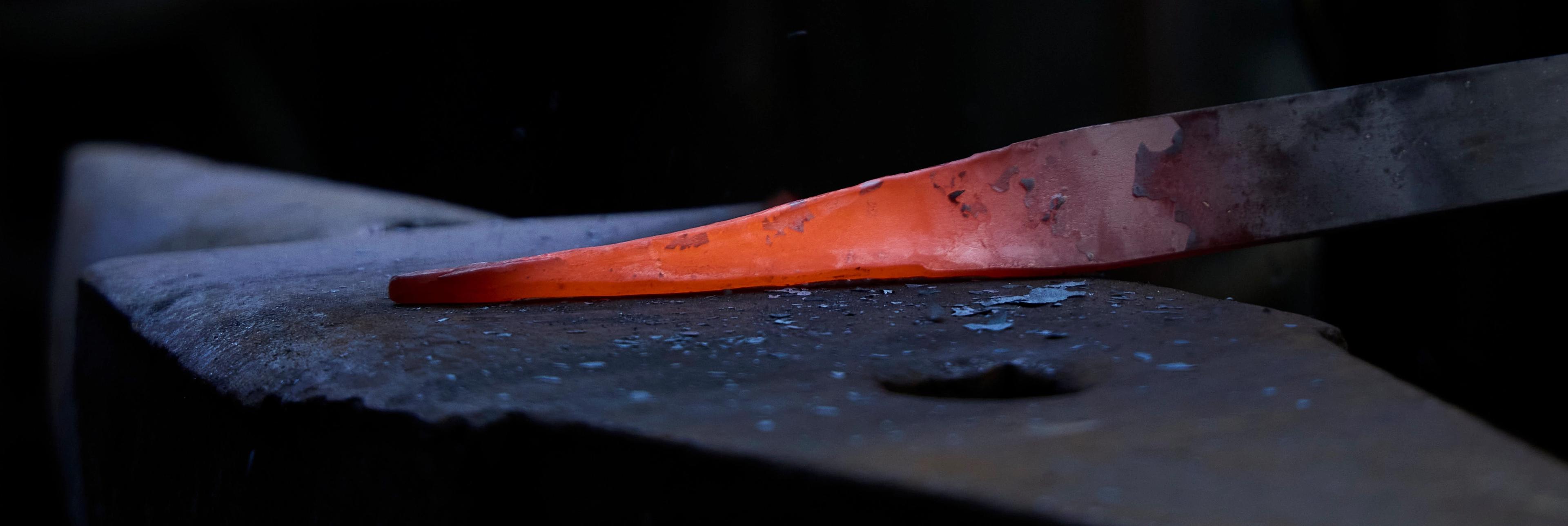
DMG Fiesole was founded by brothers Mario and Ferdinando Modi in the 1960s, in a small workshop in Fiesole, an ancient hamlet of Etruscan origin set in the hills just outside Florence. Now run by Mario Barbari and his son Damiano, DMG Fiesole has, generation after generation, remained a specialist in wrought iron, forging every piece by hand using a traditional forge and mallet. Designed to last a lifetime, its elegant furniture collections carry the deep material tradition of the Tuscan hills that shaped them.
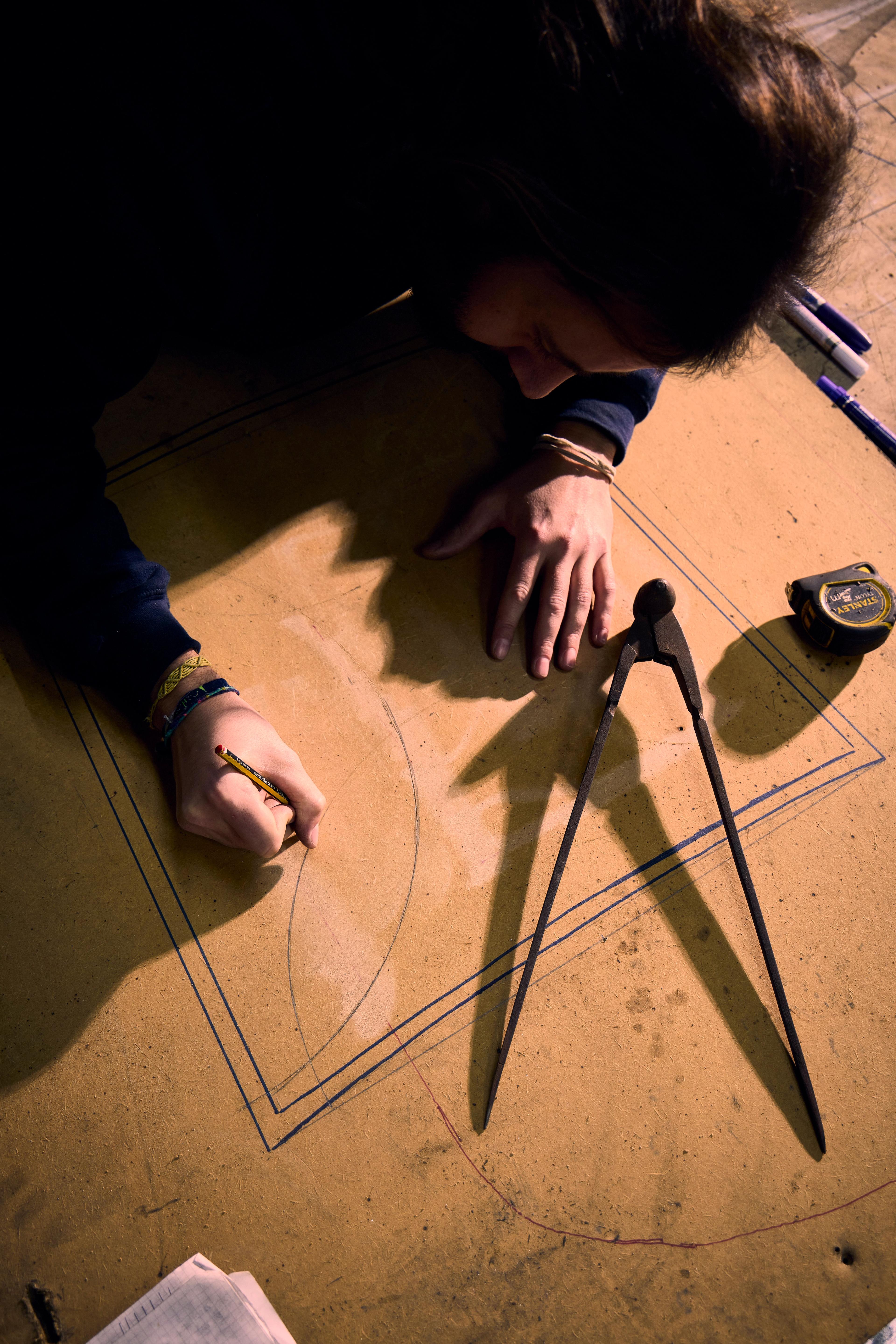
Your story begins with a family and artisanal tradition tied to wrought iron. How do you preserve that identity today while integrating it with the demands of contemporary design?
Our goal is to pass on the culture of iron craftsmanship to today's world, giving it new life while preserving its authenticity. Ours is a story handed down from generation to generation: for seventy years we've worked on the manual skill of forging. We believe in the value of the hand and of the forge, because it's what gives our products their value and authenticity.
DMG Fiesole
USD 1,975
Handcrafted in 7-8 weeks

DMG Fiesole
USD 1,825
Handcrafted in 7-8 weeks

DMG Fiesole
USD 3,350
Handcrafted in 7-8 weeks

DMG Fiesole
USD 3,215
Handcrafted in 7-8 weeks

DMG Fiesole
USD 5,350
Handcrafted in 7-8 weeks

DMG Fiesole
USD 9,380
Handcrafted in 7-8 weeks
Your collections often dialogue with the work of architect Pietro Porcinai. How does this relationship between landscape, architecture, and furniture translate into your creations?
We're fortunate to work in an extraordinary place — the cradle of art, tradition, and culture, and the birthplace of Pietro Porcinai, the architect who has helped us realize our products. For us, the landscape isn't merely a backdrop. Our Etruscan roots inspired our new collection, which today takes the name FAESULAE — the Etruscan name for Fiesole, the place where it all began. It's a collection that brings together tradition and innovation while maintaining a strong connection to the land and to our history. The landscape also inspired our other collection, LOTUS, which draws on the lotus flower — a symbol of resilience and purity — rounding out our repertoire with a clean, elegant, and timeless design.
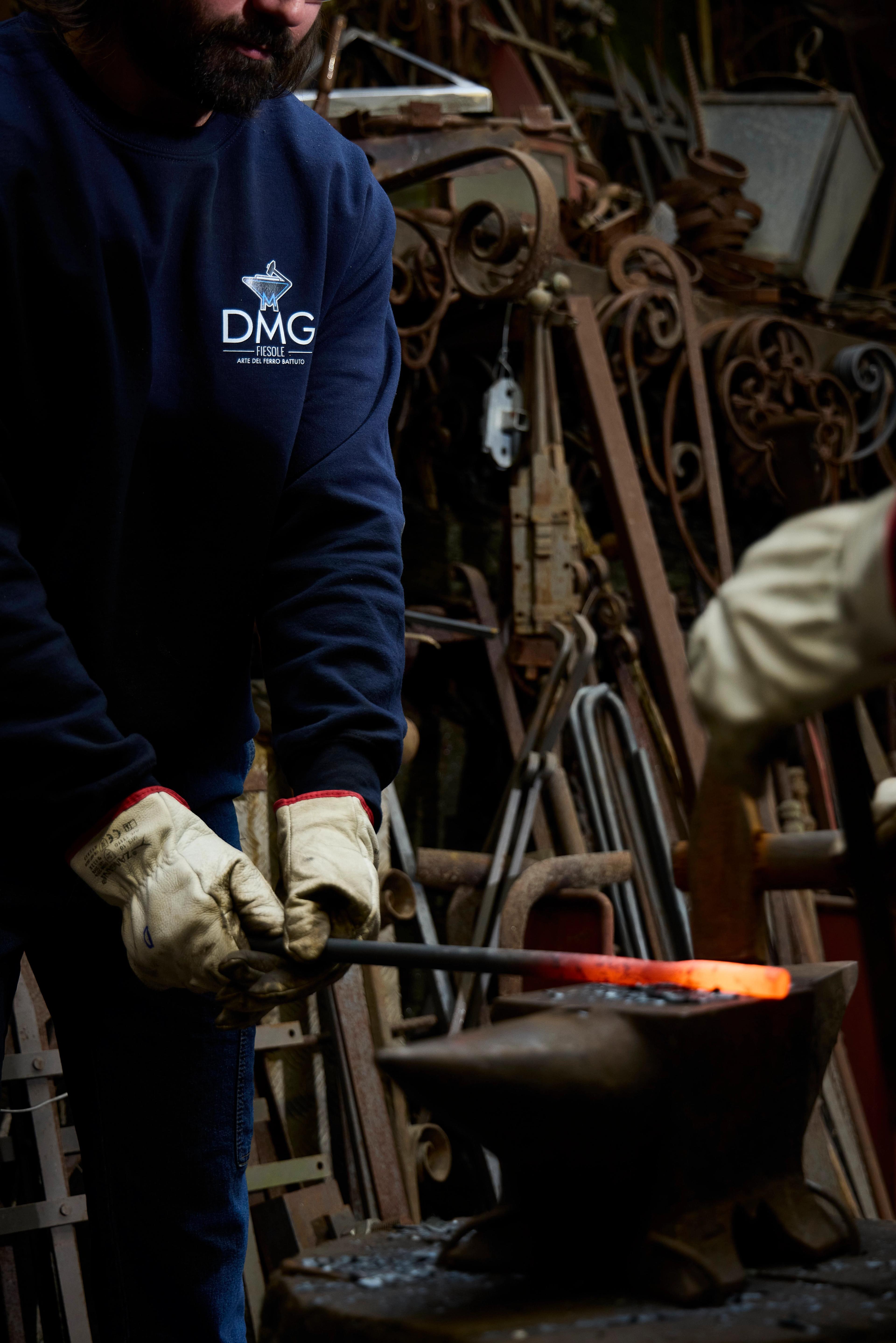
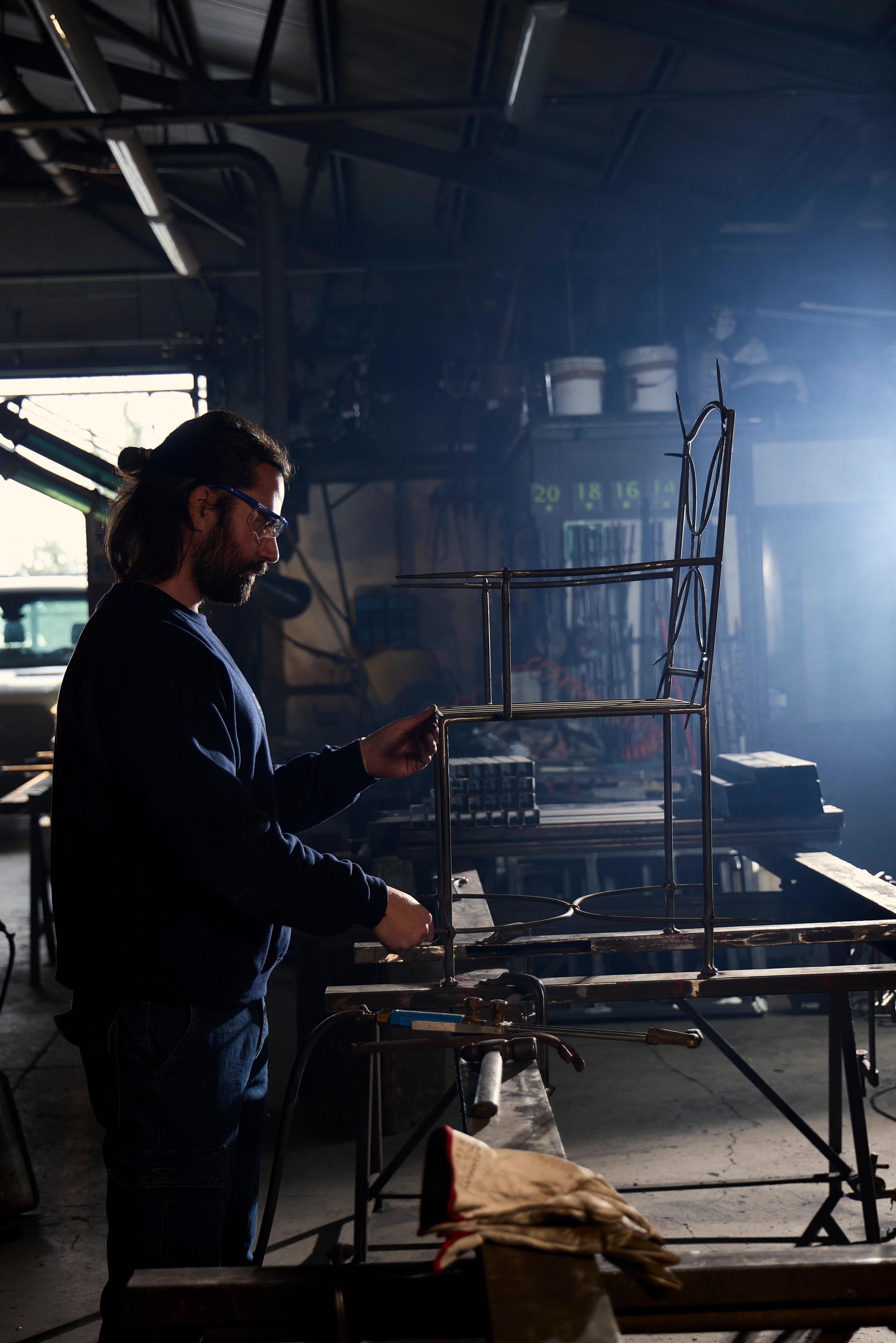
The act of forging is still central to your production. How much does craftsmanship matter in defining the aesthetic and cultural value of a piece?
For us, the handwork and the forging process are what give our furniture its value. The forge remains central to our work to this day, because it's how we bring out the details and the uniqueness of each piece. We see imperfection as the defining trait of what we do: because everything is worked by hand, every piece carries details and characteristics that are entirely its own.

DMG Fiesole
USD 2,825
Handcrafted in 7-8 weeks

DMG Fiesole
USD 6,750
Handcrafted in 7-8 weeks

DMG Fiesole
USD 2,460
Handcrafted in 7-8 weeks

DMG Fiesole
USD 2,950
Handcrafted in 7-8 weeks

DMG Fiesole
USD 8,740
Handcrafted in 7-8 weeks

DMG Fiesole
USD 5,770
Handcrafted in 7-8 weeks
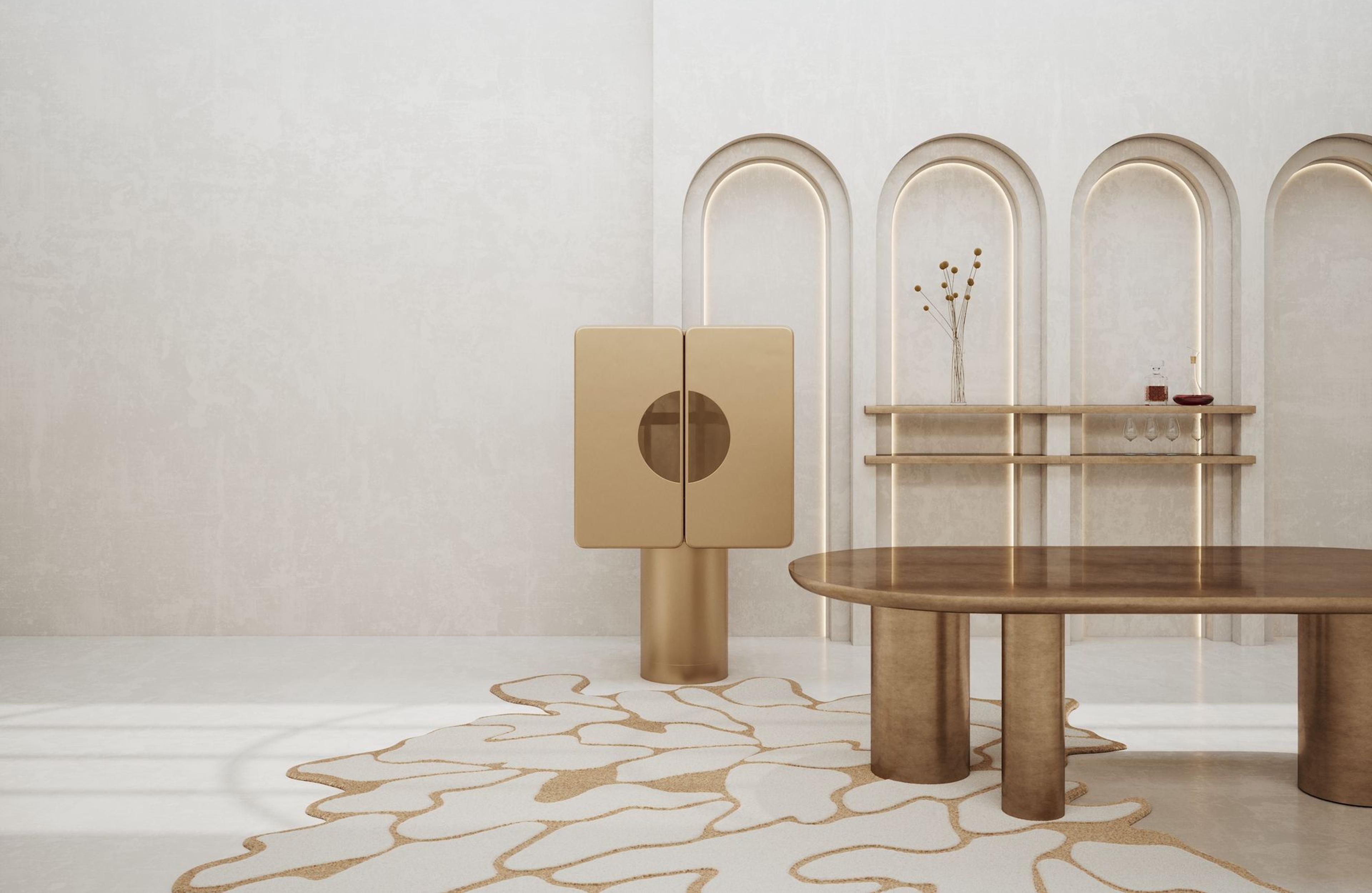
Based in Pesaro and rooted in the best of Italian craft tradition, Ultramobili has built its name …
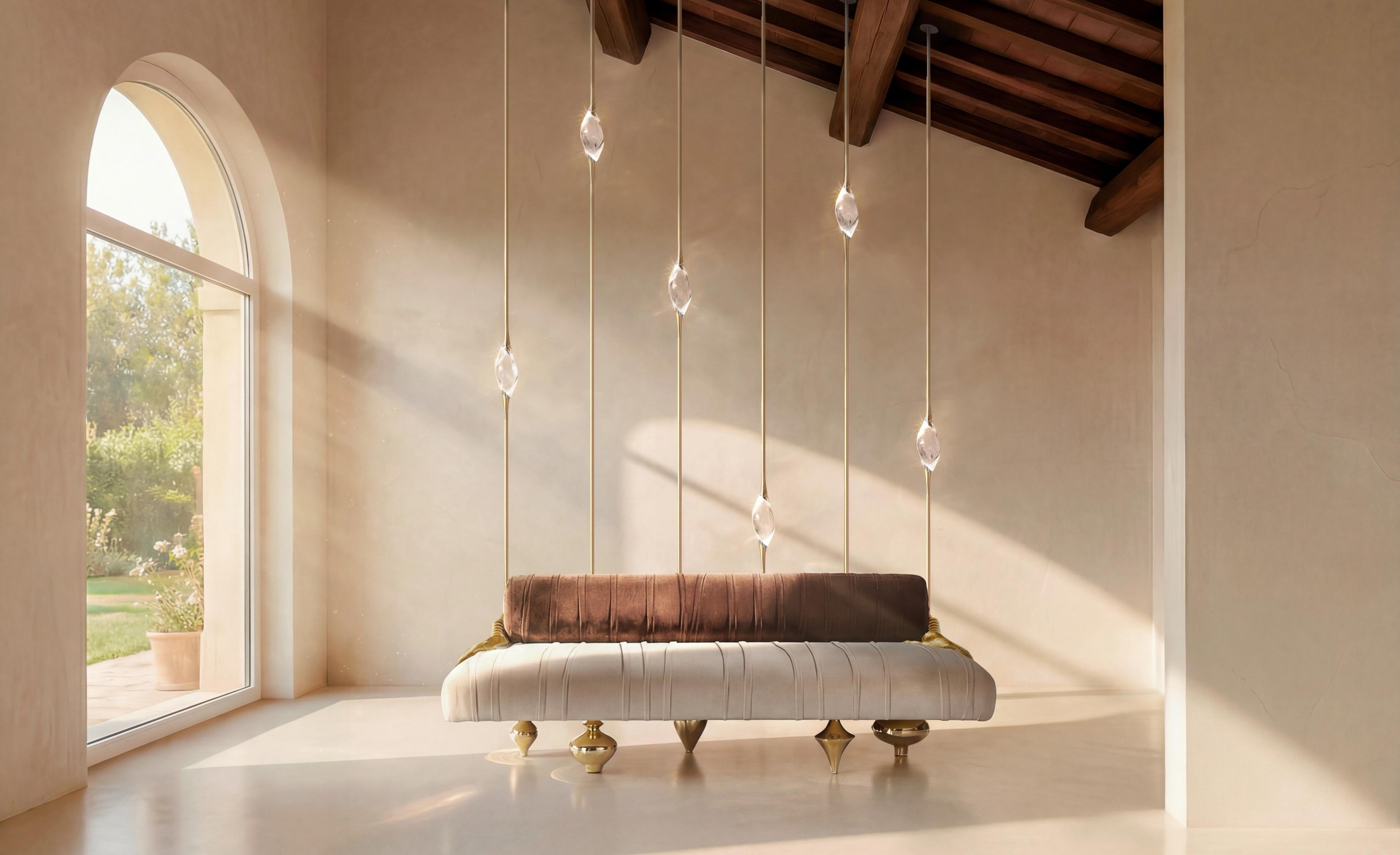
At Il Pezzo Mancante, solid wood, brass, mouth-blown crystal, and Carrara marble are not simply ma…


