
Marta Abbott
Escultura de cerámica verde Ketophyllum
2440 EUR
Elaborado en 1 semana


La artista checo-estadounidense Marta Abbott (Ámsterdam, 1983) vive y trabaja en Roma, donde crea obras multidisciplinares en papel, lienzo, cerámica y fotografía. Su práctica explora la transformación orgánica a través de la cianotipia, el grabado y los procesos basados en la tinta, revelando materiales como presencias vivas cuya memoria, tensión y azar guían un lenguaje visual poético y metamórfico.
El contenido de esta página ha sido traducido automáticamente. Visitar el sitio en ingles
Basada en materiales naturales y procesos alquímicos, mi práctica investiga la memoria, la luz, la transformación y los espacios tranquilos donde convergen la materia y el espíritu
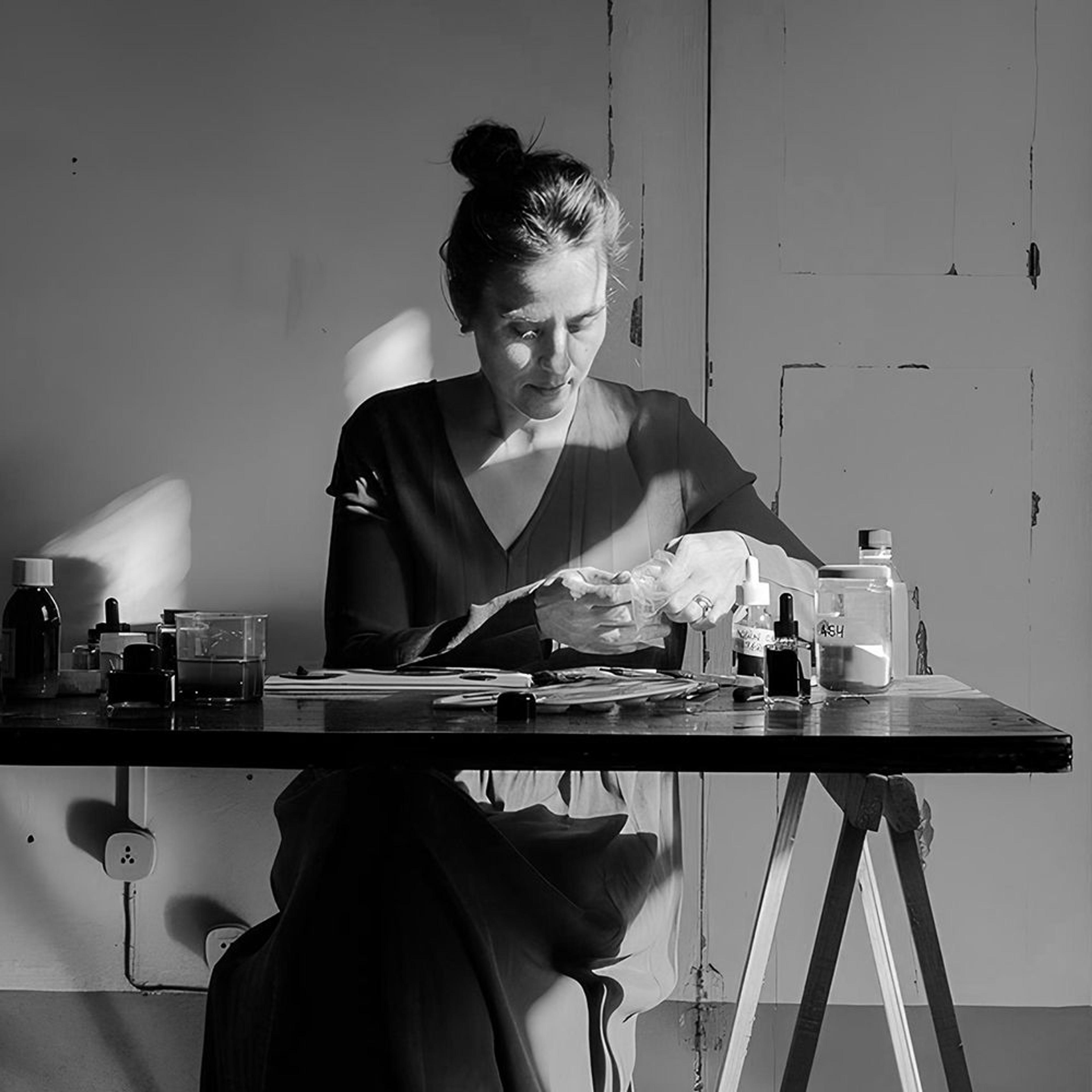
Marta Abbott (Ámsterdam, 1983) es una artista checo-estadounidense que vive y trabaja en Roma. Su práctica multidisciplinar abarca el papel, el lienzo, la cerámica, la fotografía y el vídeo, y explora las conexiones entre lo orgánico, lo metamórfico y lo transitorio a través de un lenguaje visual estratificado. Le atrae dar forma a historias olvidadas que atraviesan y superan la temporalidad humana, interactuar con los sistemas de conocimiento naturaleza-cultura y poner en primer plano otras formas de inteligencia planetaria.
Técnicas como la cianotipia, el aguafuerte y la impresión con tinta se entrelazan en una redefinición continua de los límites entre los medios. Aunque arraigados en prácticas históricas, estos experimentos se renuevan mediante procesos que traen al presente la memoria incrustada de los materiales. La obra de Abbott se nutre de encuentros y colisiones: tintas, pigmentos, arcillas y óxidos se combinan en una tensión constante entre gestos controlados y azar. Los materiales nunca son meras herramientas, sino presencias vivas: portadores de historias, propiedades y resistencias que exigen atención y sensibilidad técnica.
Series como Moon Garden (2023) y Stargazers. Pietra viva (2022) reflejan el deseo de capturar lo efímero y meditar sobre la fugacidad de lo real. Las inspiraciones recurrentes proceden de masas de agua y formas vegetales que, en clave alquímica, evocan los ciclos vitales y su inevitable impermanencia. Su investigación profundiza en la relación entre la luz de la luna y las cosas que florecen en la oscuridad. En este sentido, Abbott encontró recientemente un fósil de ketophyllum, un antiguo coral, que data de hace 420-443 millones de años, cuando la Tierra giraba más rápido y el año duraba 420 días. Incitado por ello, el artista se preguntó cómo las rimas de la Tierra y las mareas podrían haber moldeado la forma de tales criaturas. Atraída por los estratos de crinolina del fósil, convirtió esta especulación en Ketophyllum, una serie de esculturas de gres que entrelazan el tiempo, la forma y la memoria e invitan al espectador a sacar a la superficie fragmentos enterrados del mundo natural.

