About Artemest

The Artisans

Meet Italy's finest artisans and explore their handmade creations

896 Results

Francioni Mastromarino

Toscana, Italy | Artist

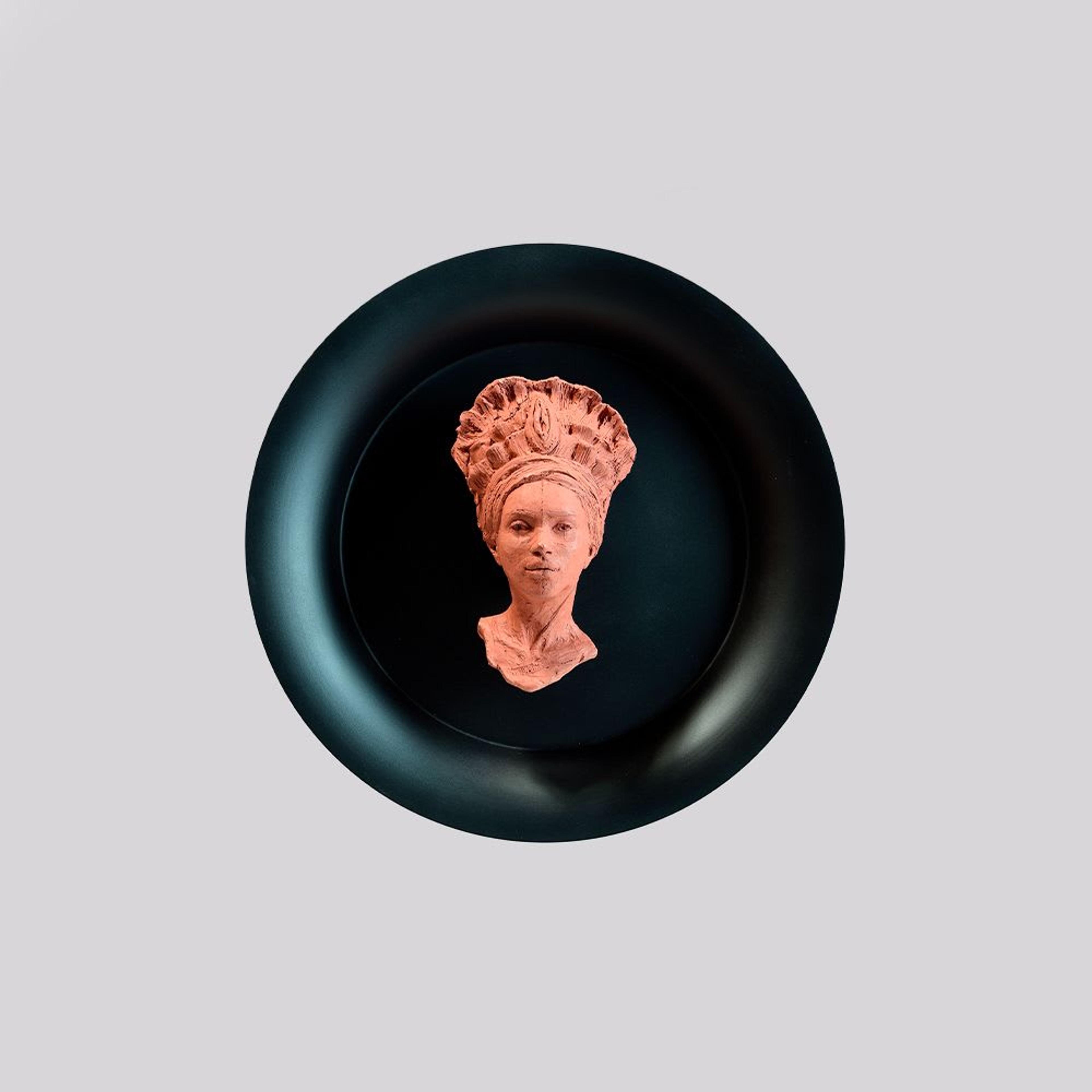
A couple in art and in real life, Eleonora Francioni and Antonio Mastromarino have been crafting joint artworks for more than twenty years. The rich cultural roots of their native Pietrasanta, Tuscany inspired them to establish their workshop there to create contemporary art collections. Among their many works is the monumental sculpture of Leonardo Da Vinci presented at the 2019 “Arte per non dormire - Moti dell’anima” exhibit. Their most recent pieces are dedicated to exploring the horizons of women who seek to live their lives out of the box expressed in a Pop art style.

WonderGlass

Veneto, Italy | Glassmith

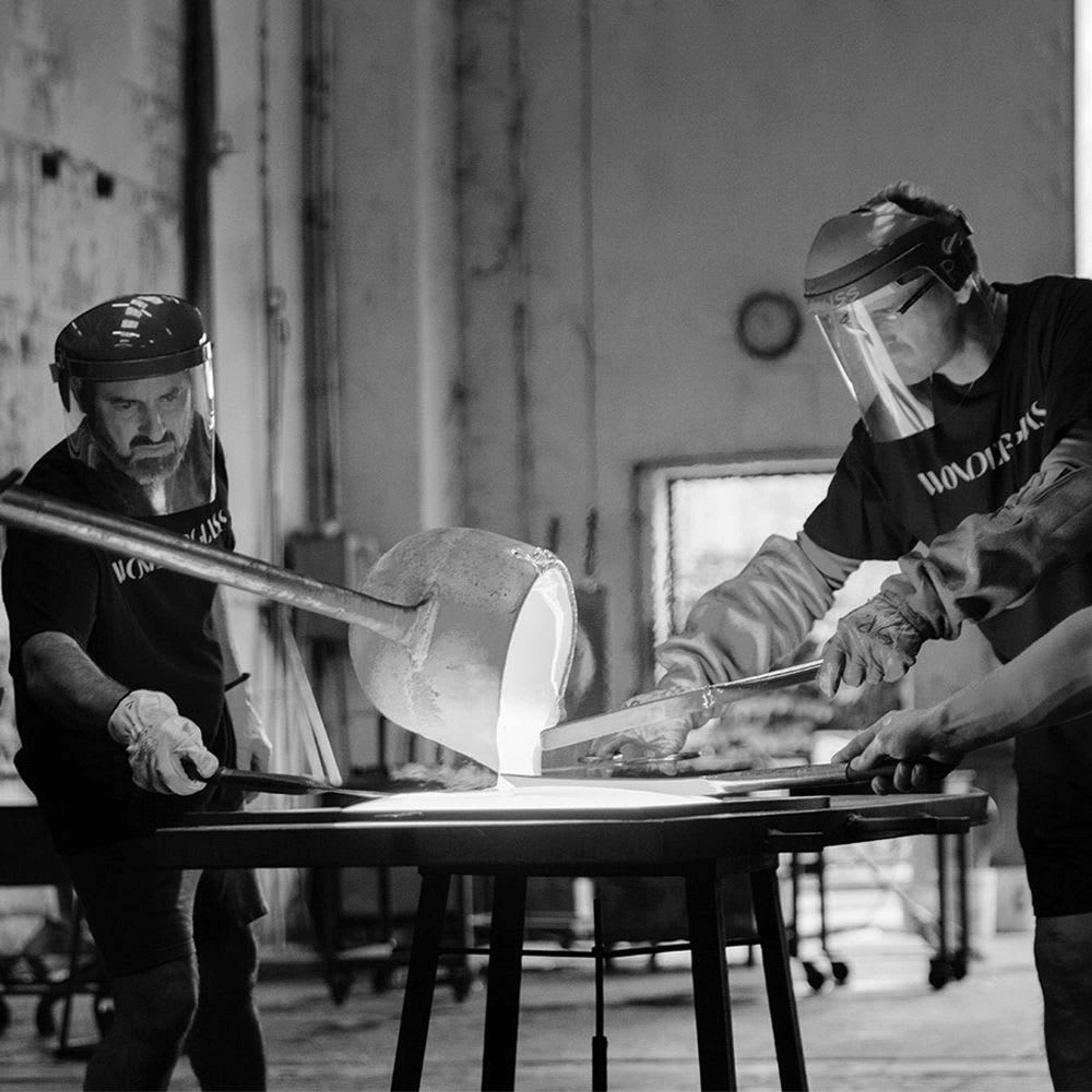
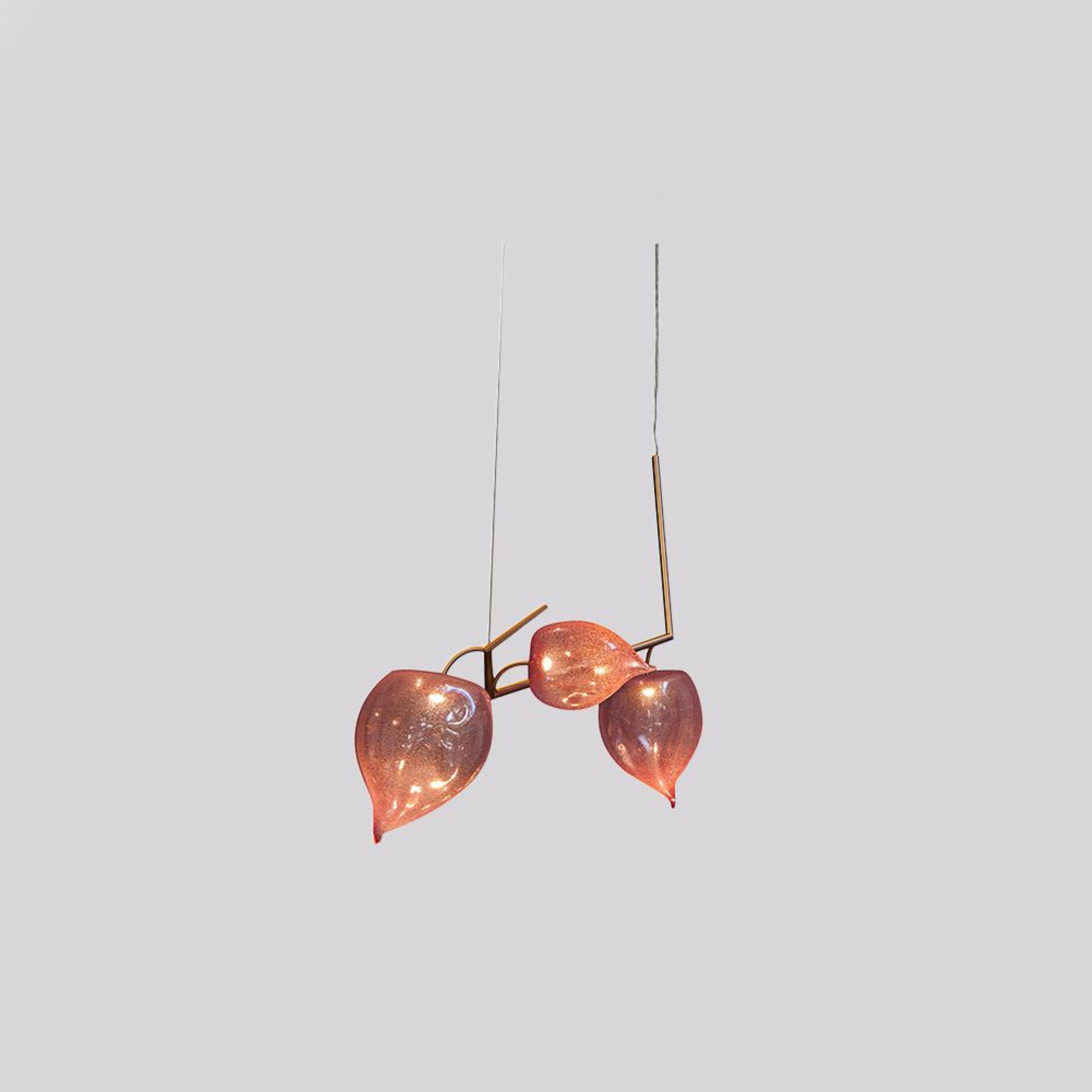
The enchanting interplay between glass and light inspired Maurizio and Christian Musatti to establish WonderGlass in 2013. Deeply rooted in Venetian glassmaking traditions, their avant-garde collections synthesize ancient craftsmanship and contemporary design, revealing tailor-made solutions that will infuse decors with a mystical ambiance thanks to their captivating reflections. Partnerships with internationally-acclaimed artists and designers inspire their exuberant, colorful designs that recall surreal dreamscapes.

Claudio Campana

Toscana, Italy | Accessories Maker

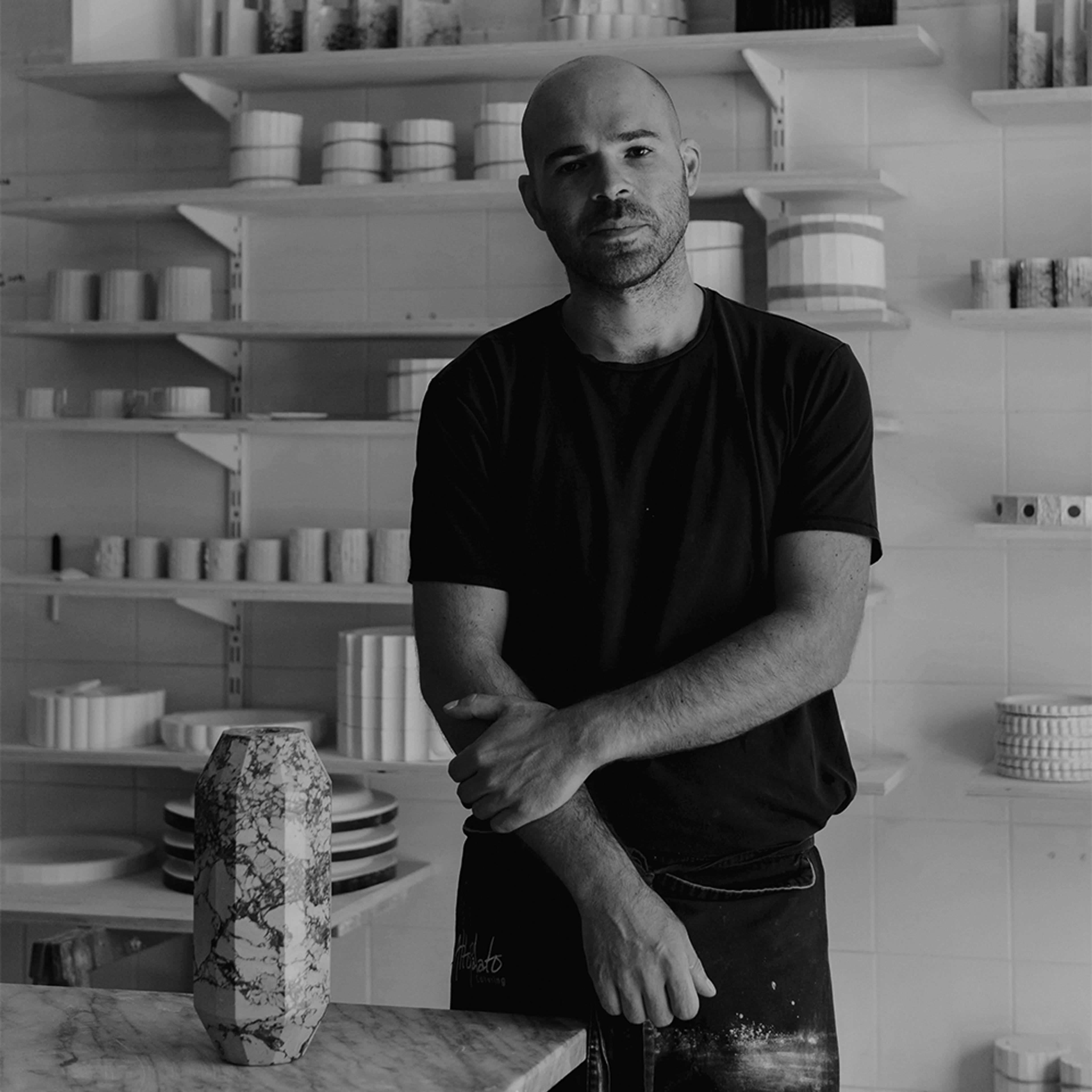
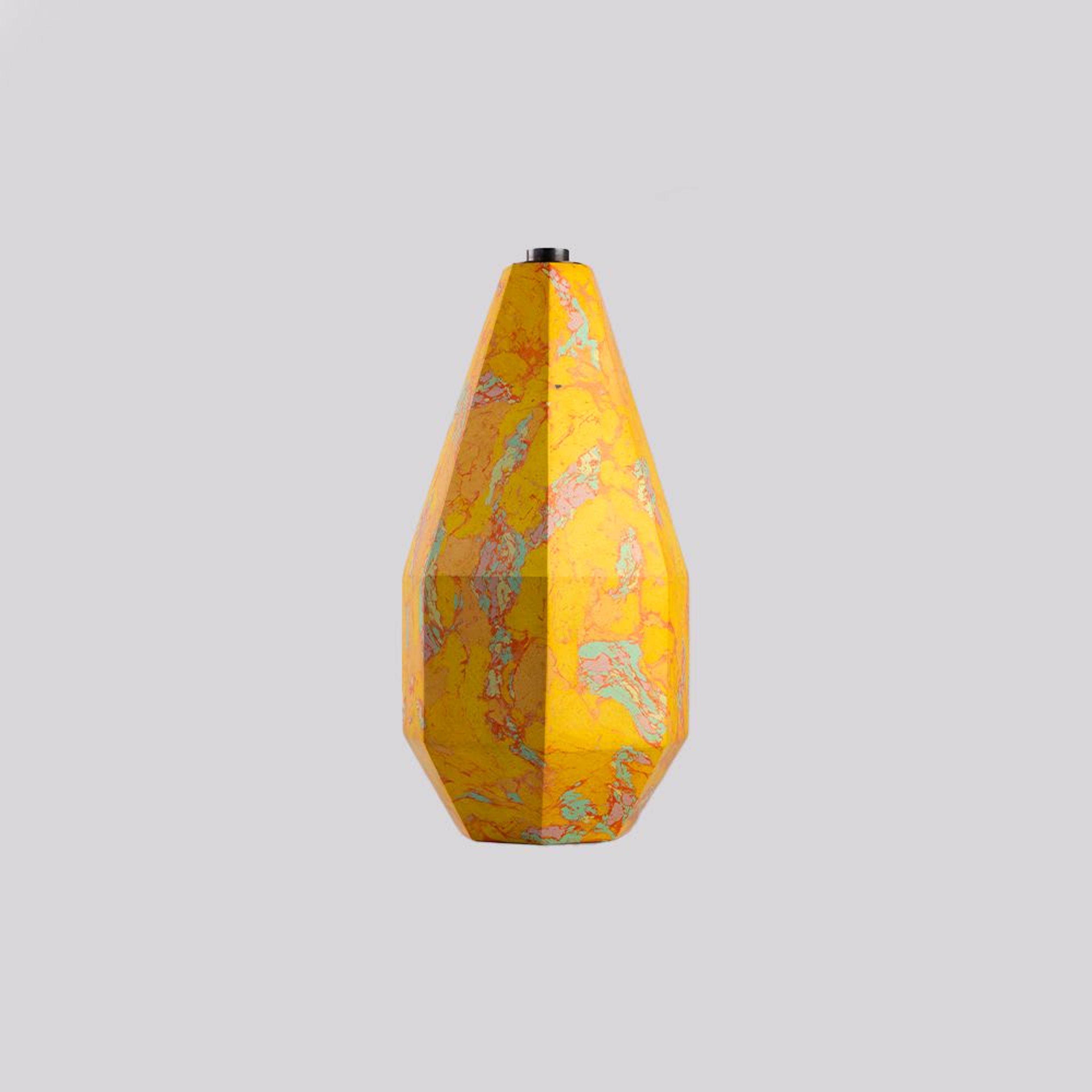
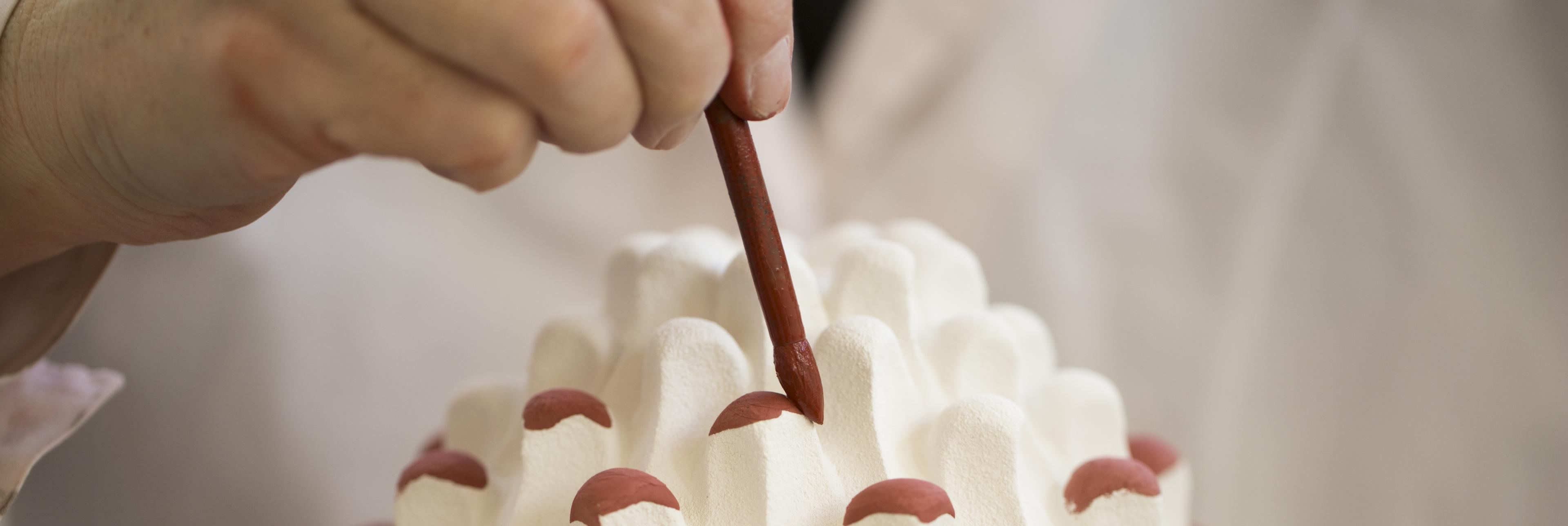
Since 2019, Claudio Campana has been conducting multidisciplinary research, exploring various traditional craftsmanship techniques. Starting from the design and creation of molds, he crafts handmade objects in his studio in Castelfiorentino (FI) for both practical use and home decoration. At the core of his journey are the techniques of Scagliola and porcelain casting, which have recently seen the integration of new technologies and 3D printing in the prototyping of models. It's a diverse and ever-evolving journey that finds its identity in the gesture and technique.

Paolo De Biasi

Veneto, Italy | Artist

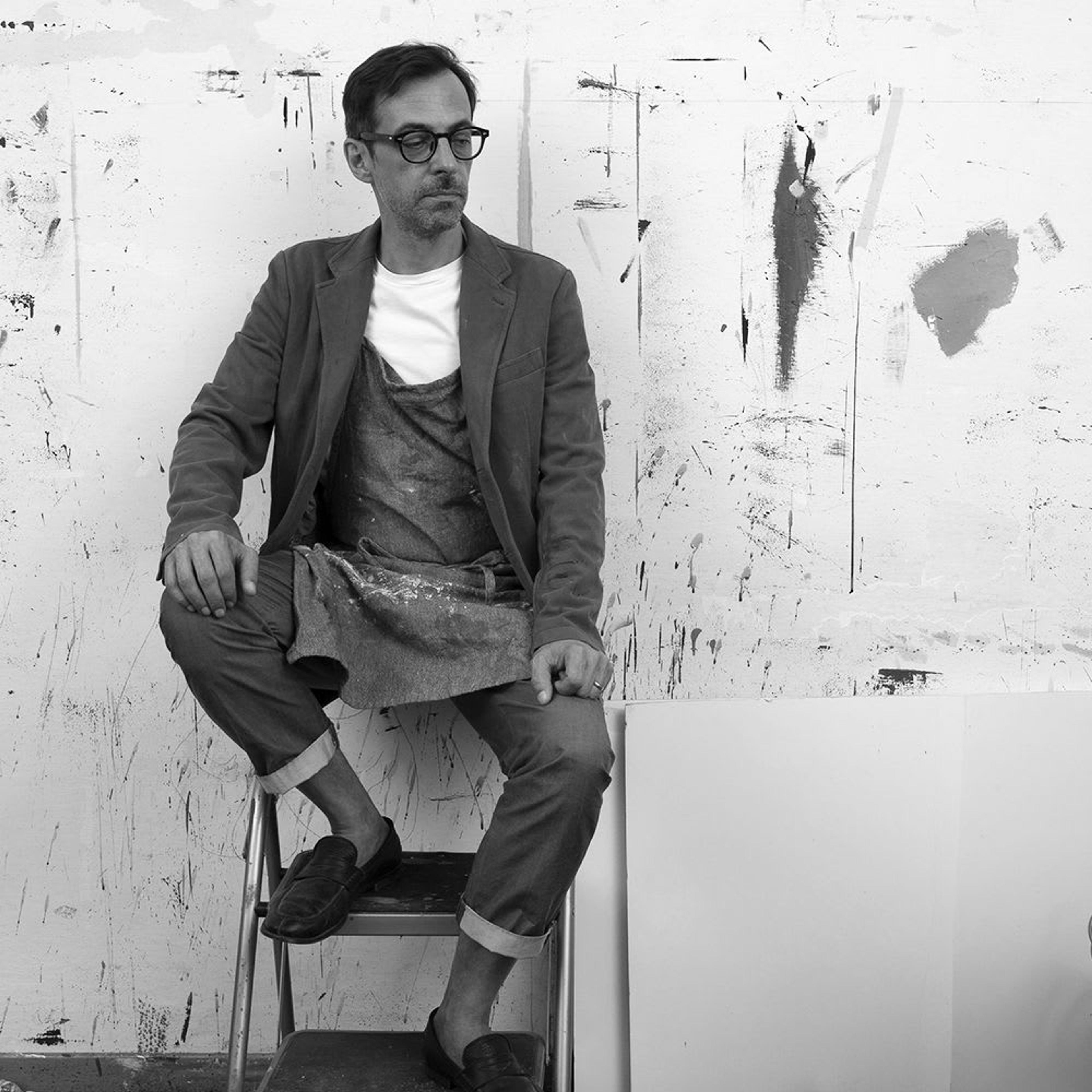
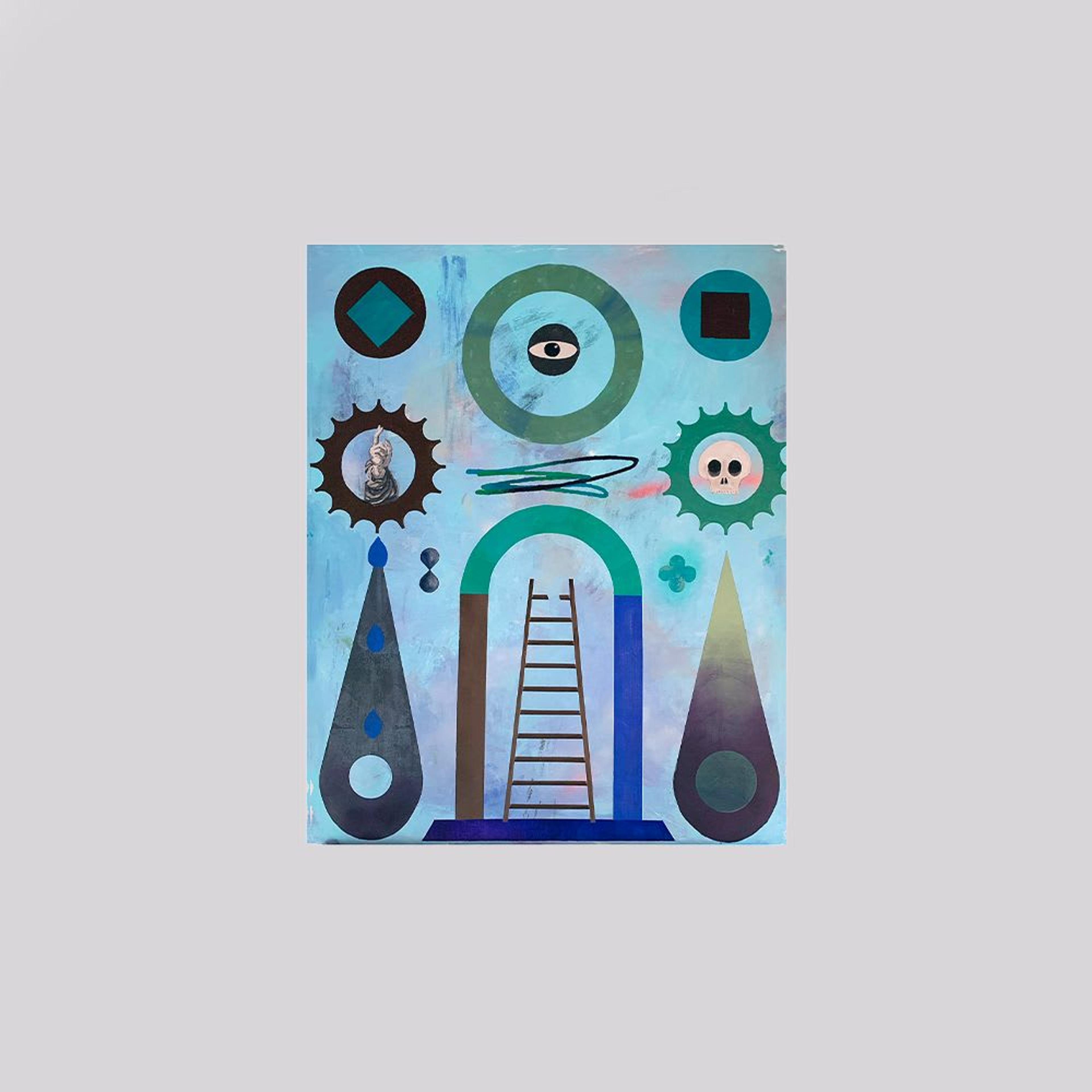
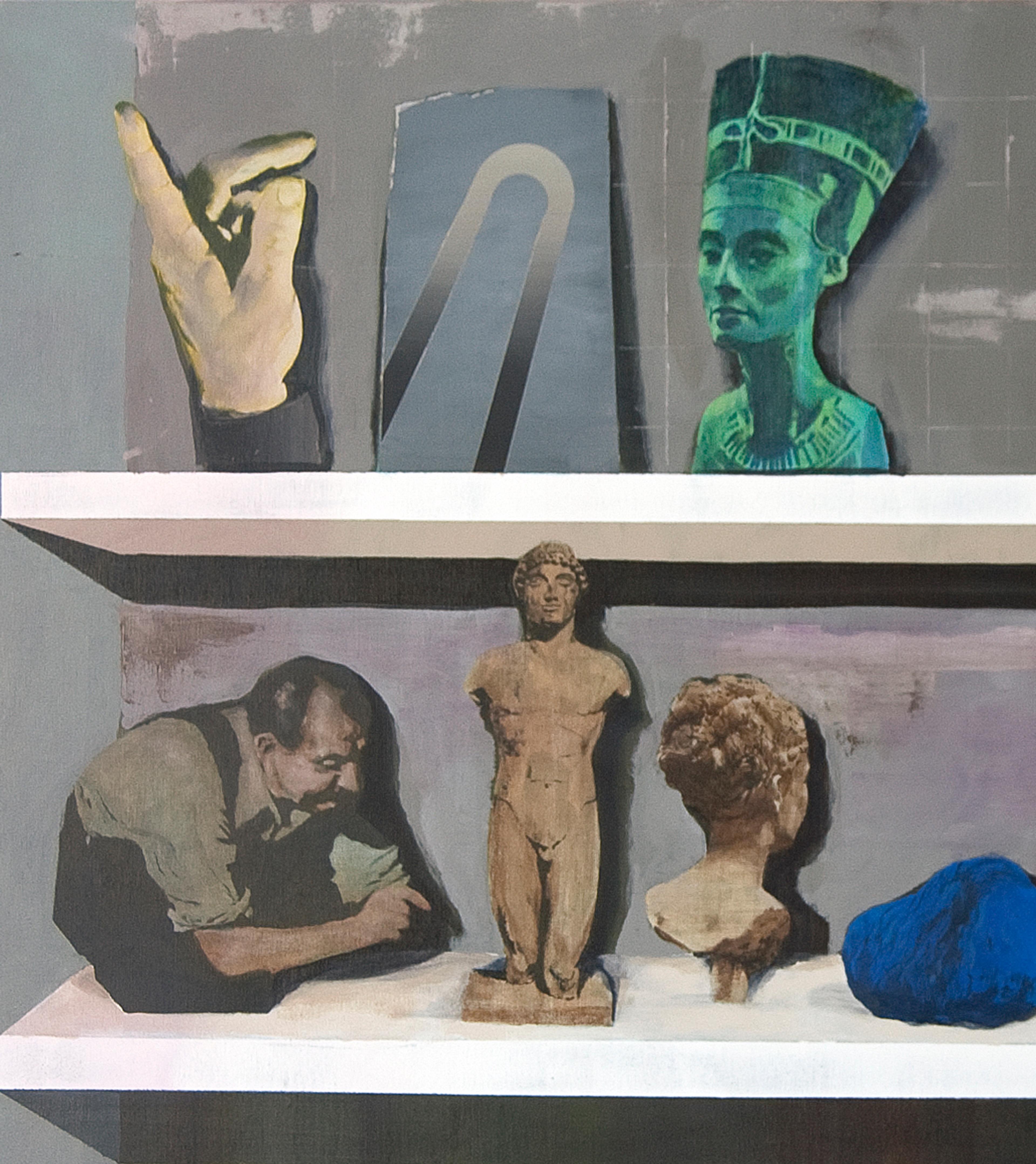
Painter and architect Paolo De Biasi was born in Feltre, Veneto in 1966 and currently lives and works in Treviso. Painting was a love that emerged later in life for him, his work as an associate in UP3 Studio earning him the chance to debut at the 2012 Venice Biennale. He was introduced to the “Italian Nebrow” artist circle by Ivan Quaroni after reaching the finals at the Premio Celeste. He was awarded the Paolo Parati national painting prize in 2011 and his pieces have been featured at the Prague Biennale and the Italy/China Biennale at the Monza Royal Castle.

Slow Tile

Toscana, Italy | Ceramist

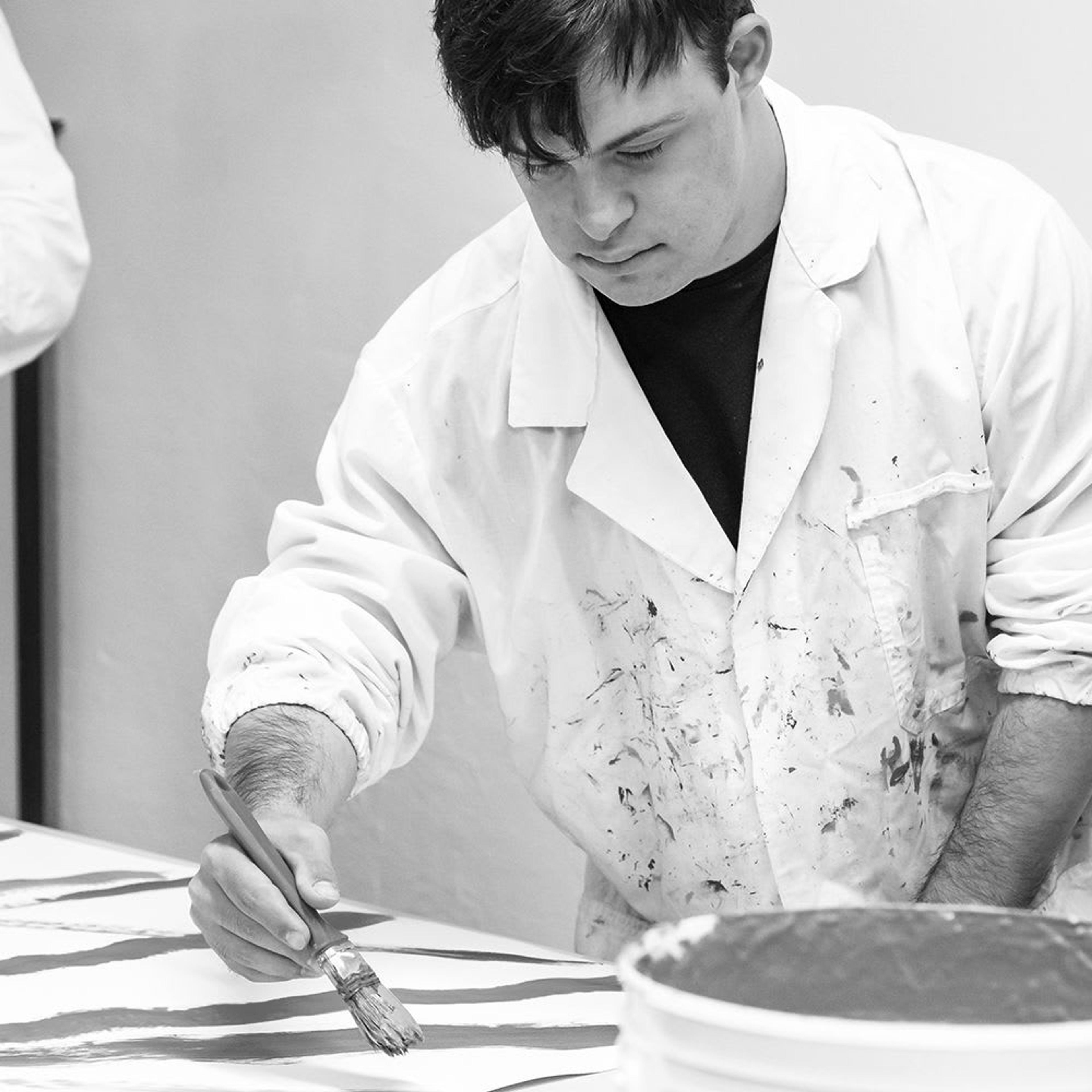
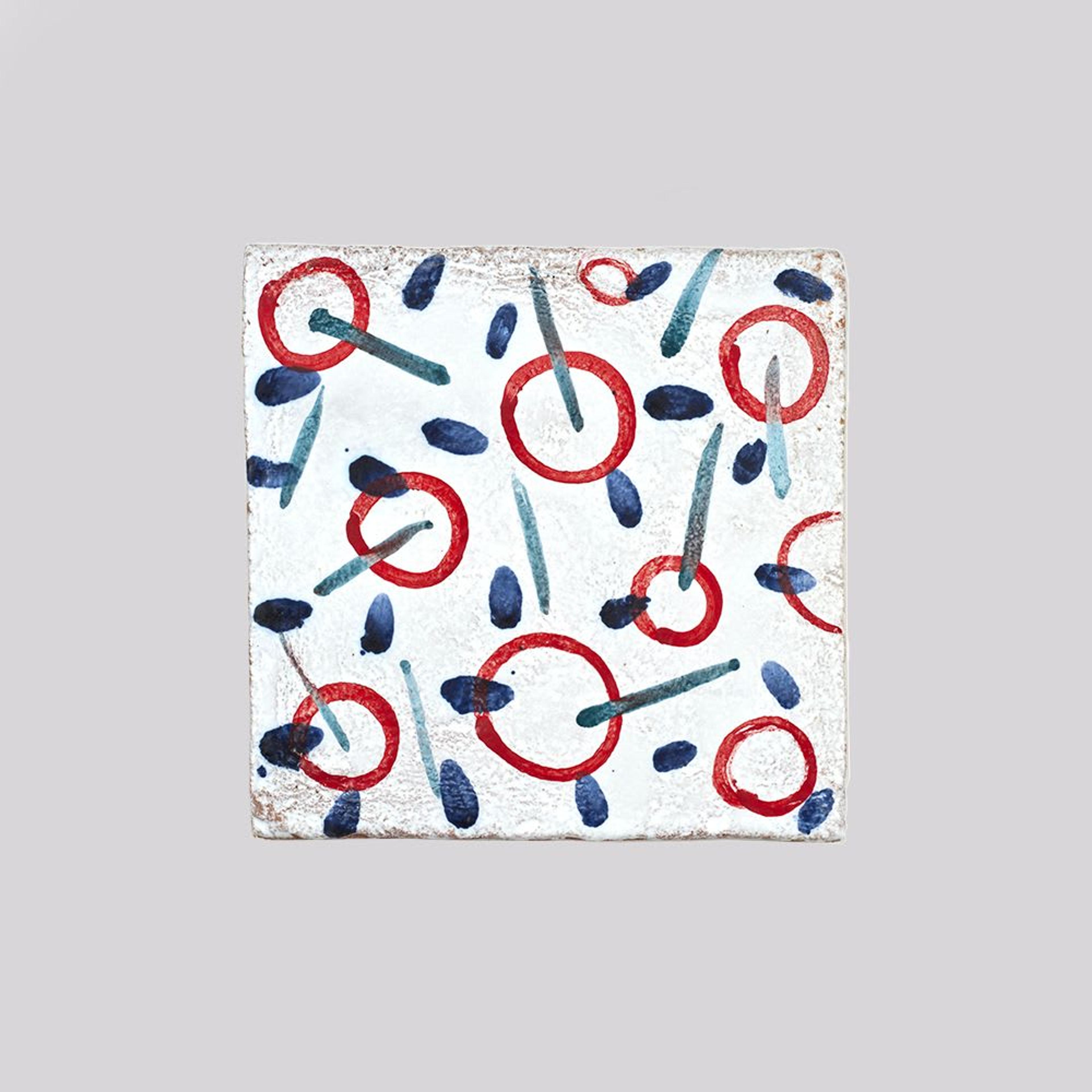
The contribution architect Leone Pecchioli and set designer Perla Gianni Falvo brought to the “Made in Sipario Social Cooperative” is captured in the Slow Tile project. Born in 2018 in Florence to create job opportunities for the disabled community while enhancing the importance of slowness when it comes to artisan pottery, the challenging aspect of dealing with the market is further fuel for the project, which embraces sustainability by avoiding surpluses. Slow Tile’s special artists see their efforts and creativity taking shape on one-of-a-kind, durable ceramic pieces.
Rosanna Contadini

Lazio, Italy | Accessories Maker

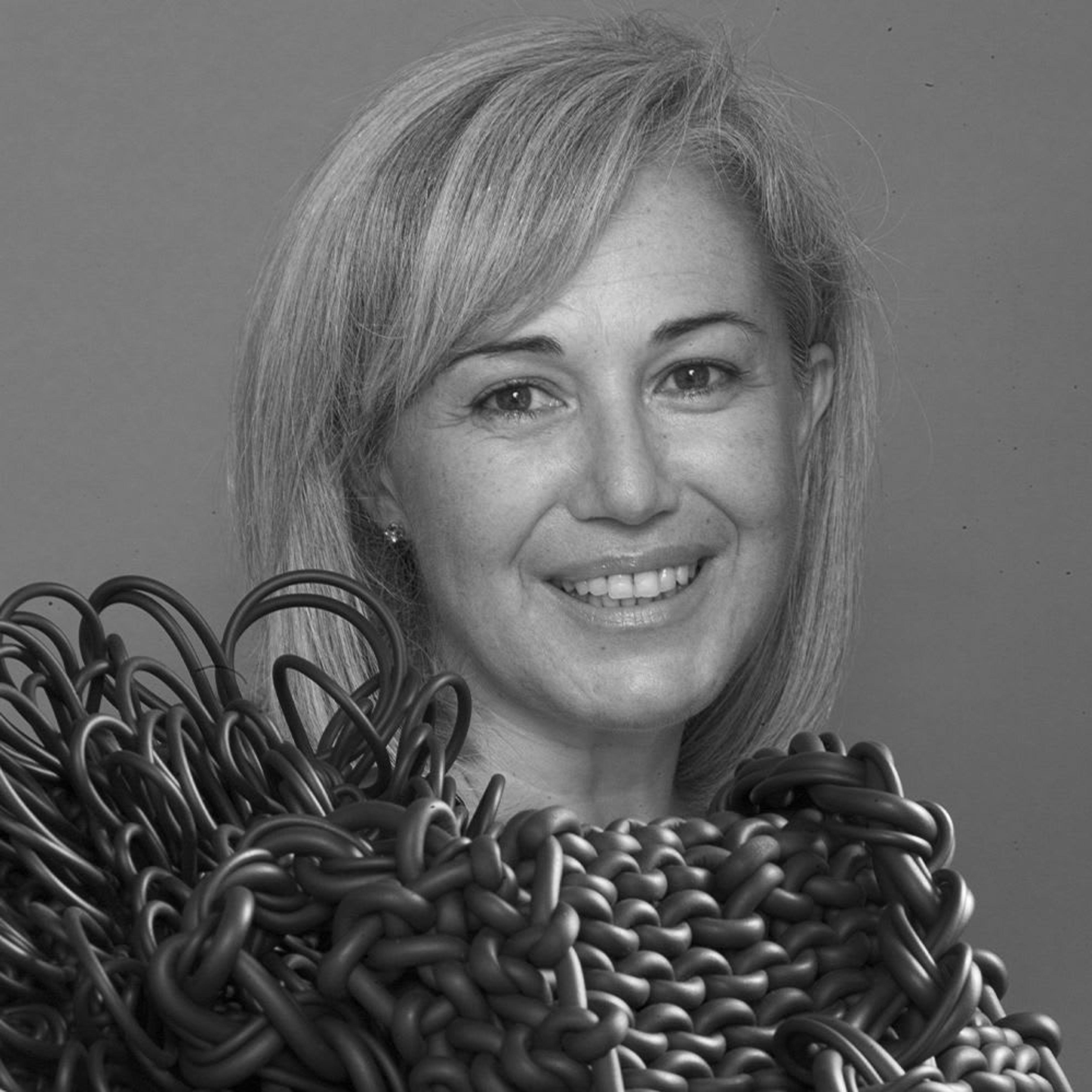
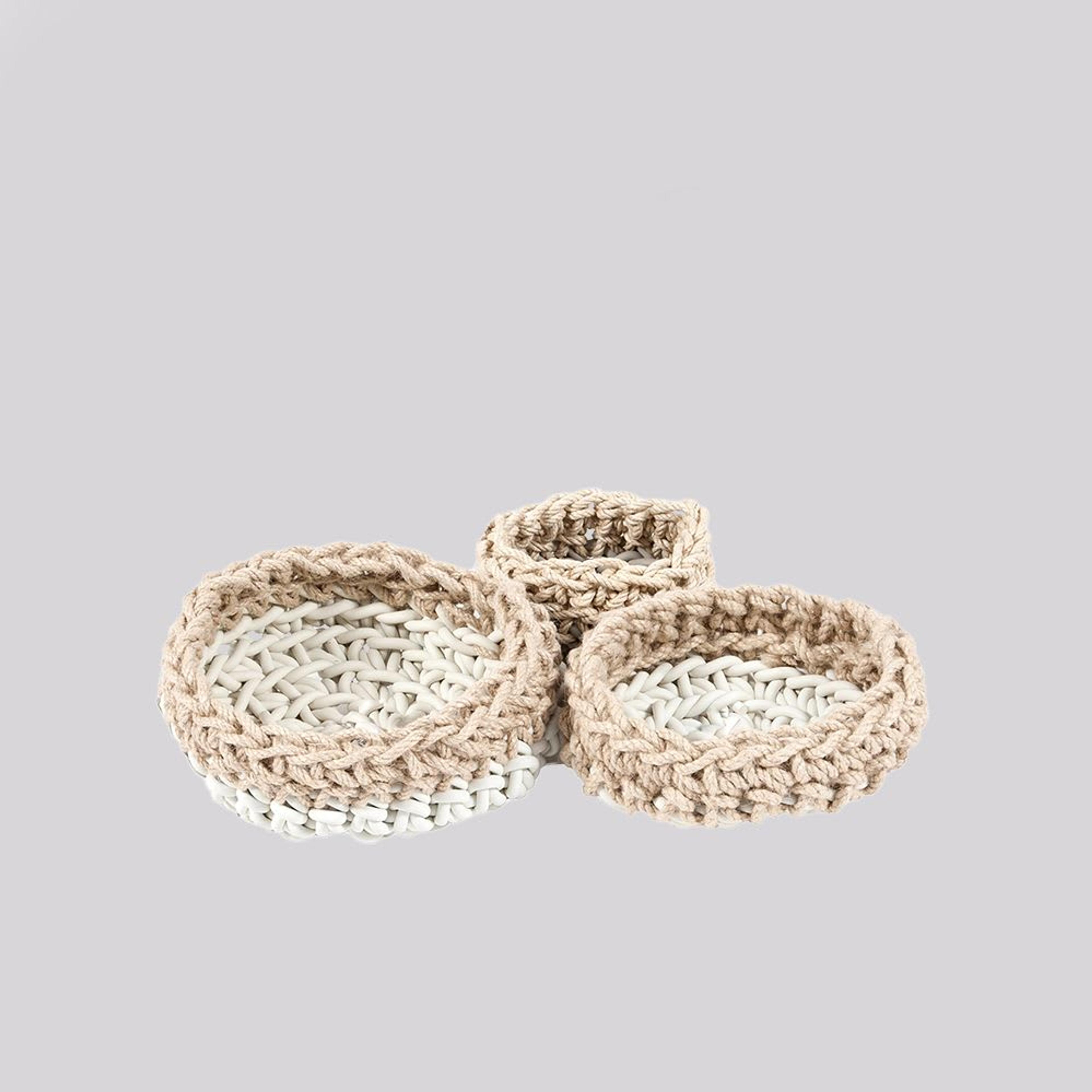
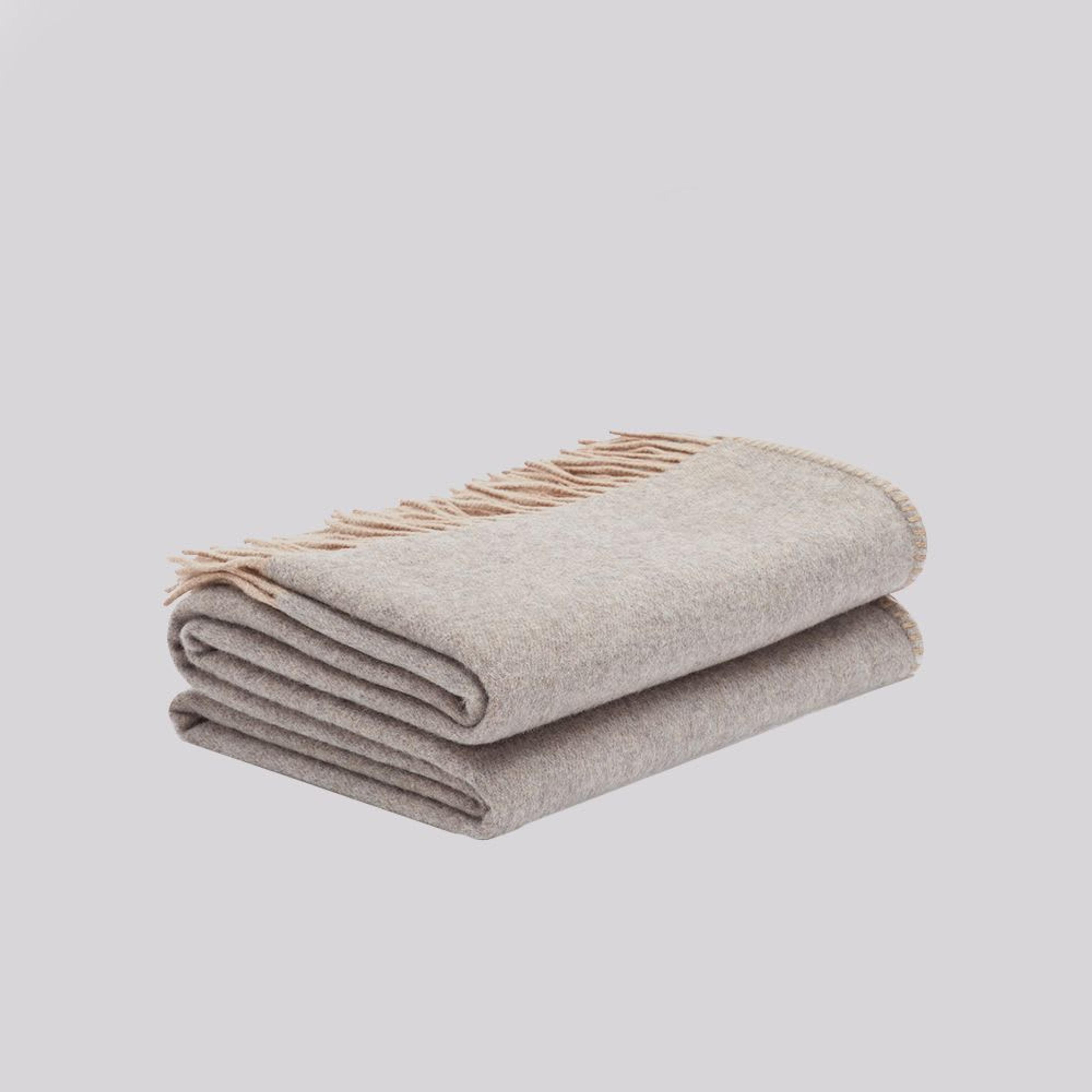
Neò was founded in 2007 when ceramist and designer Rosanna Contadini discovered an exciting new material: neoprene thread, a soft and flexible fiber that, when woven, creates silky and velvety pieces. Neò’s timeless contemporary designs are meticulously hand-knotted according to traditional techniques, woven into interior pieces, accessories, and jewelry fit for all decor styles. Neò pieces are on display in several museum stores and design shops worldwide.

Galbiati Fratelli

Lombardia, Italy | Furniture Maker

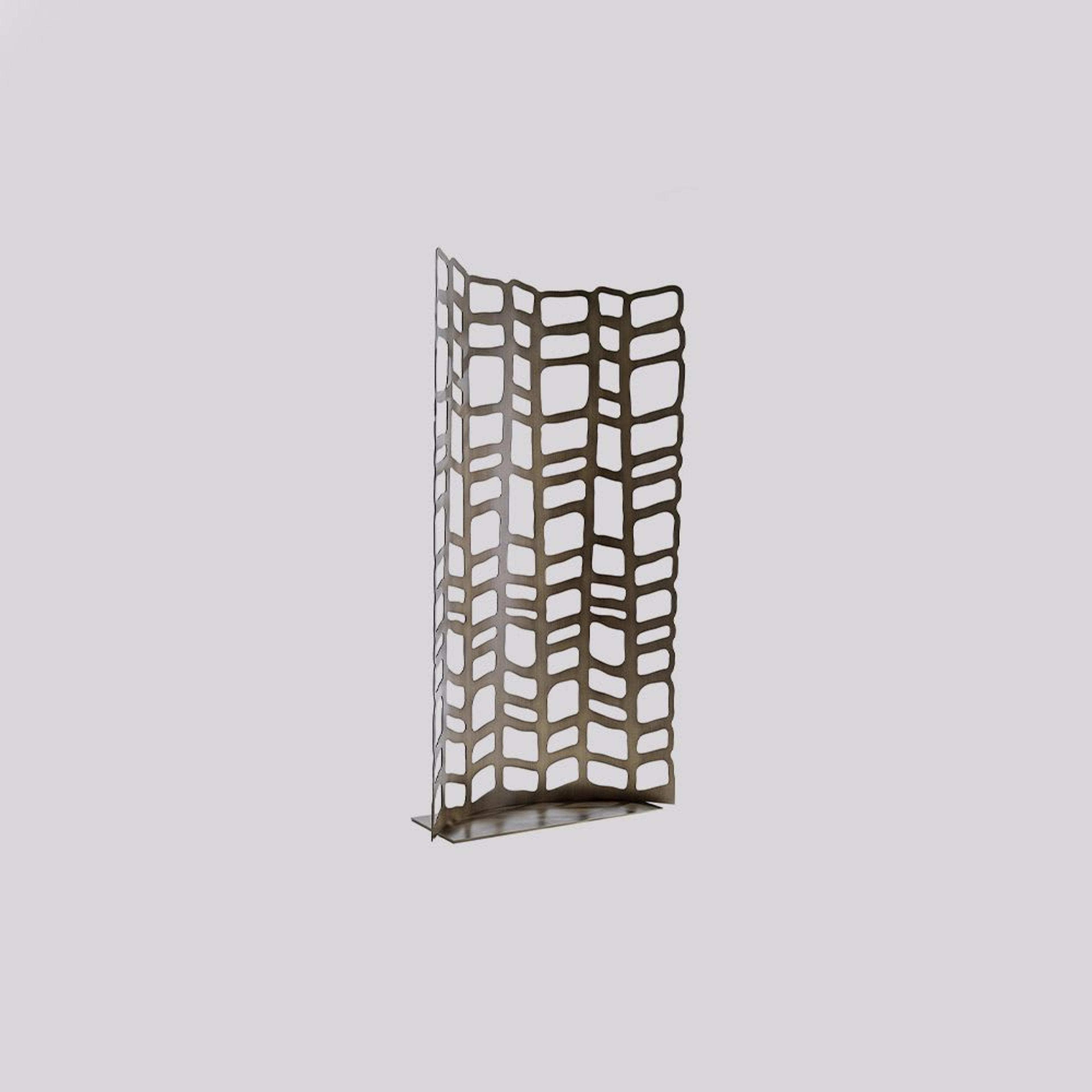
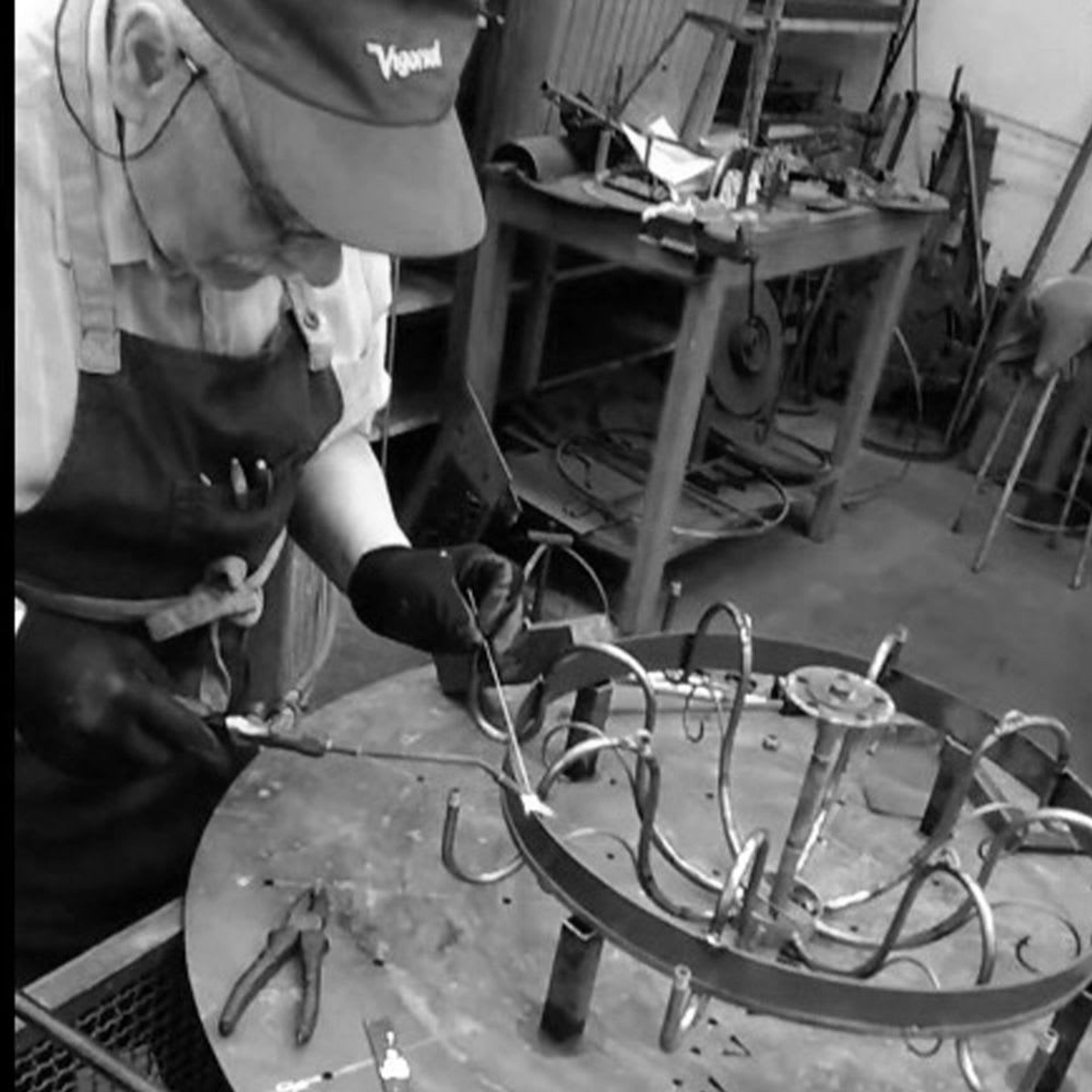
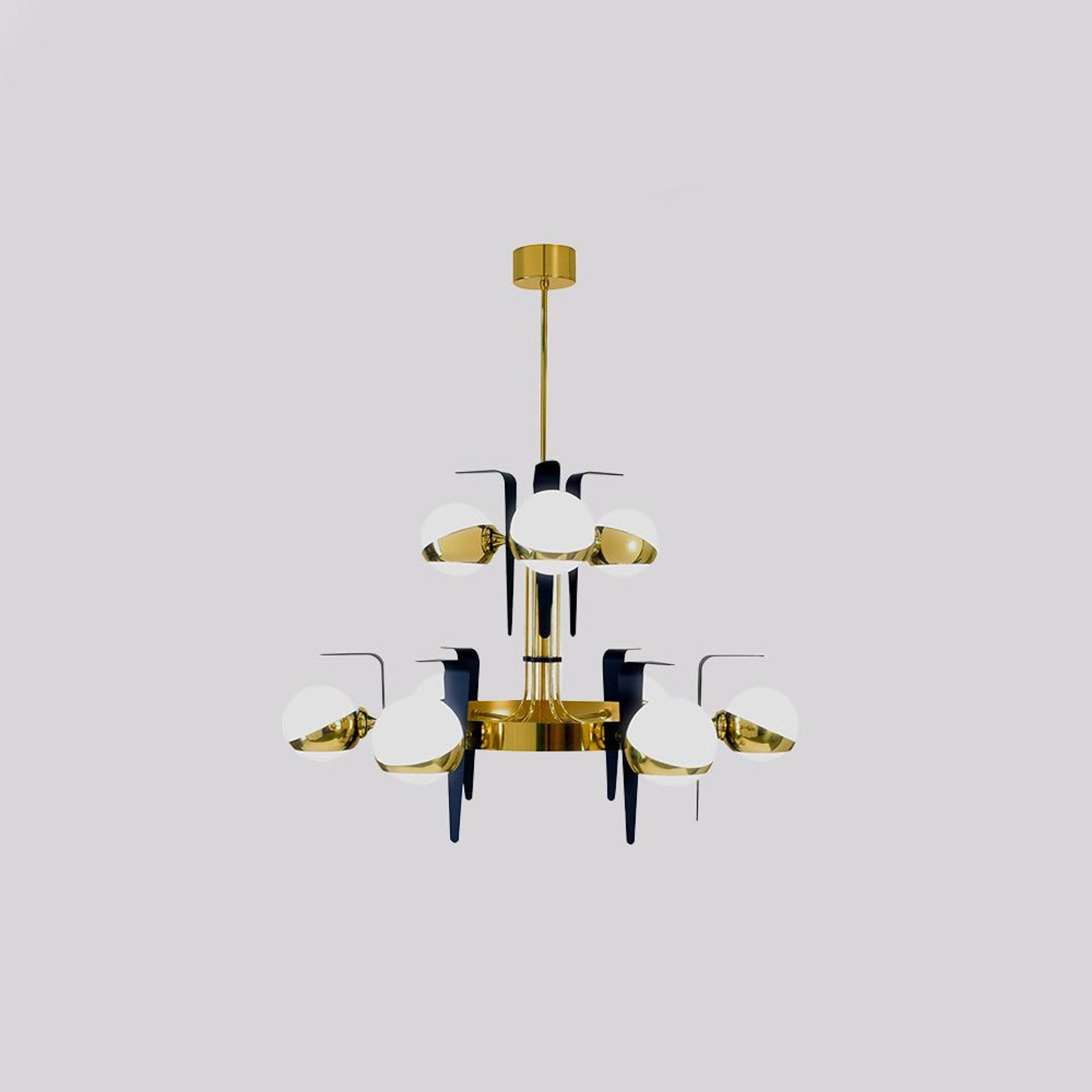
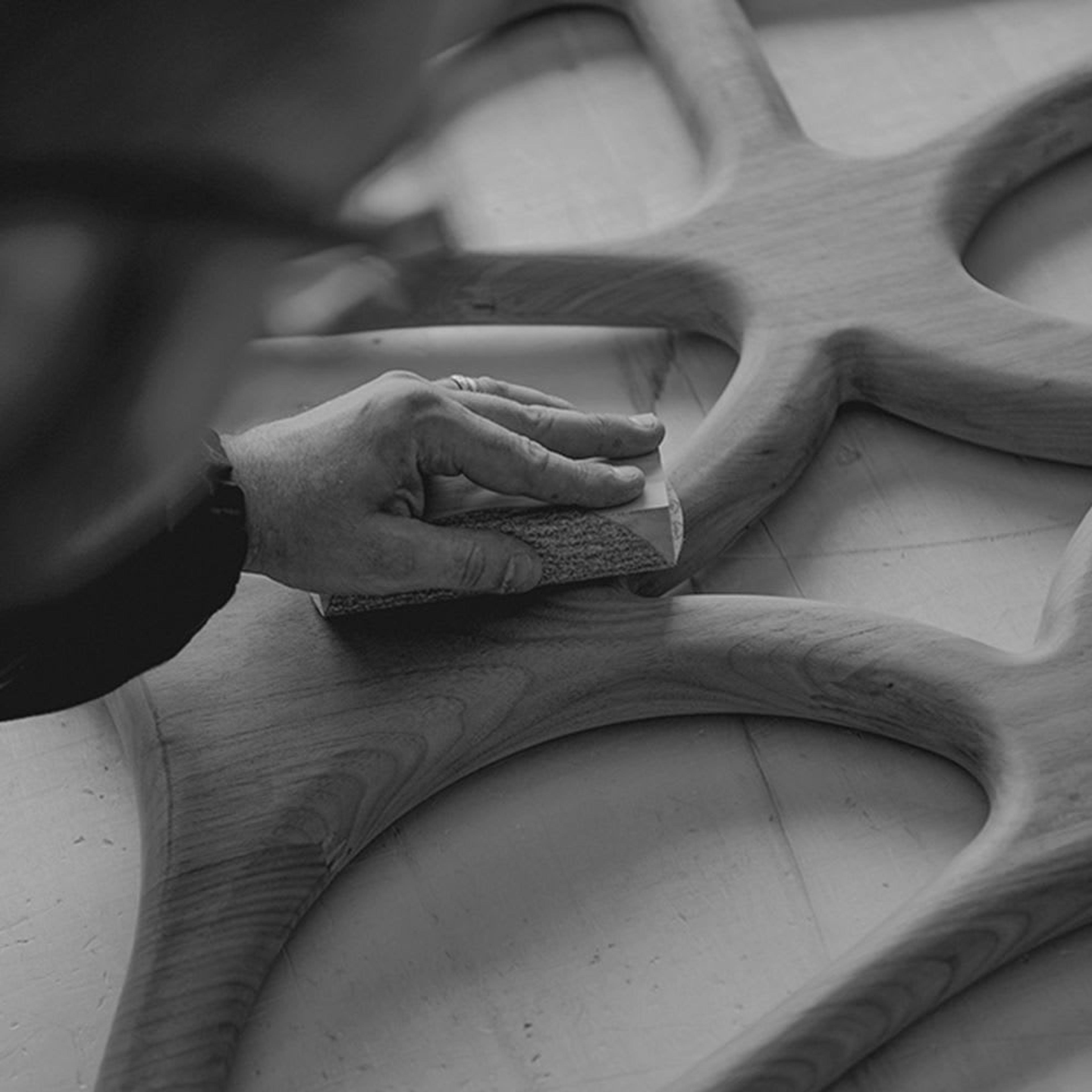
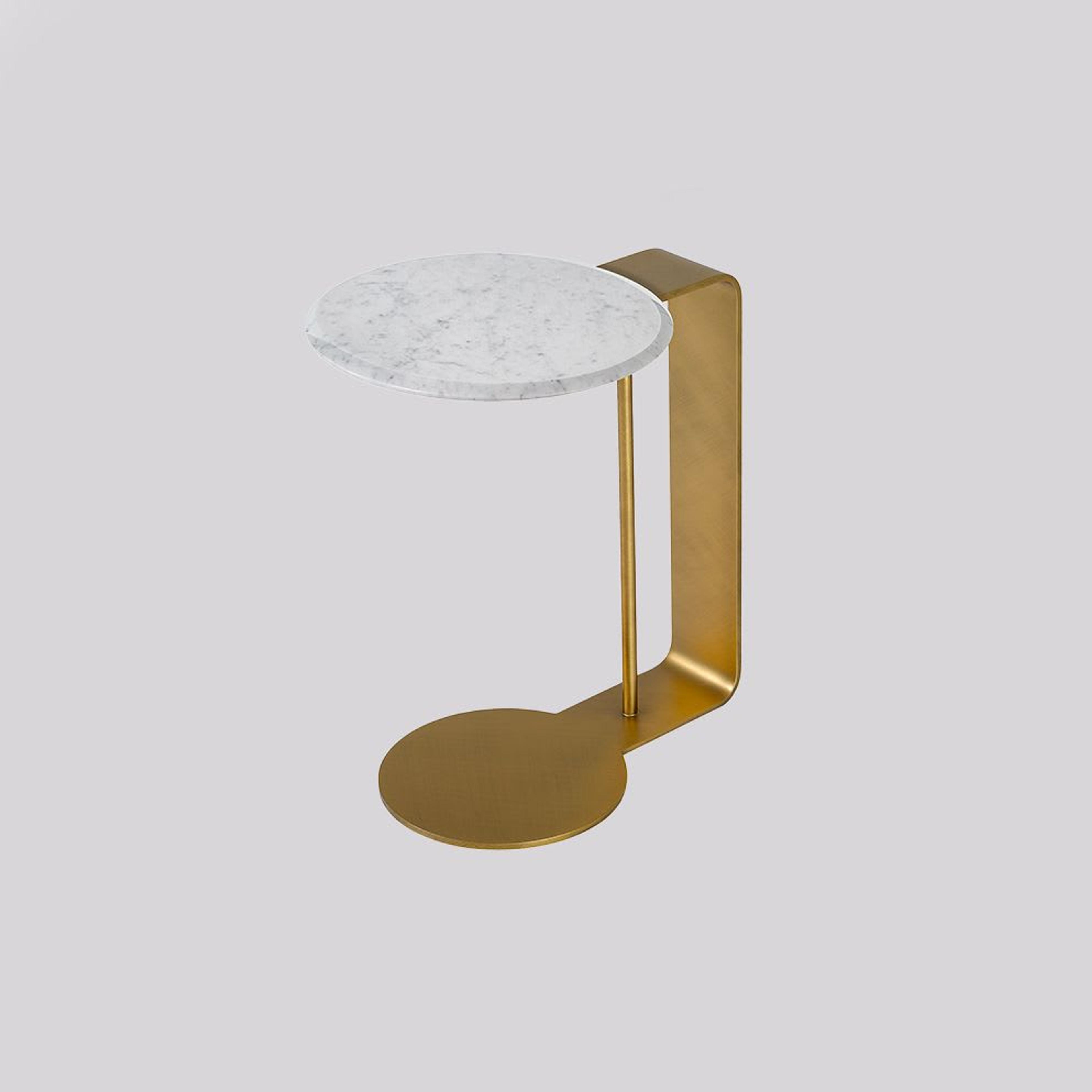
Galbiati Fratelli Company has been dedicated to producing exclusive furniture pieces since 1963. Master artisans blend traditional and leading-edge methods - from lost-wax casting to waterjet technology - to craft their signature collections. A small series of tables, mirrors, consoles, and chairs launched the brand in the ‘60s, while wrought iron and brass bed designs boomed between the ‘70s and ‘80s. Currently, the brand offers tailor-made pieces in a variety of styles sharing the same, unrivaled level of refinement.

Lorenz Static

Lombardia, Italy | Accessories Maker

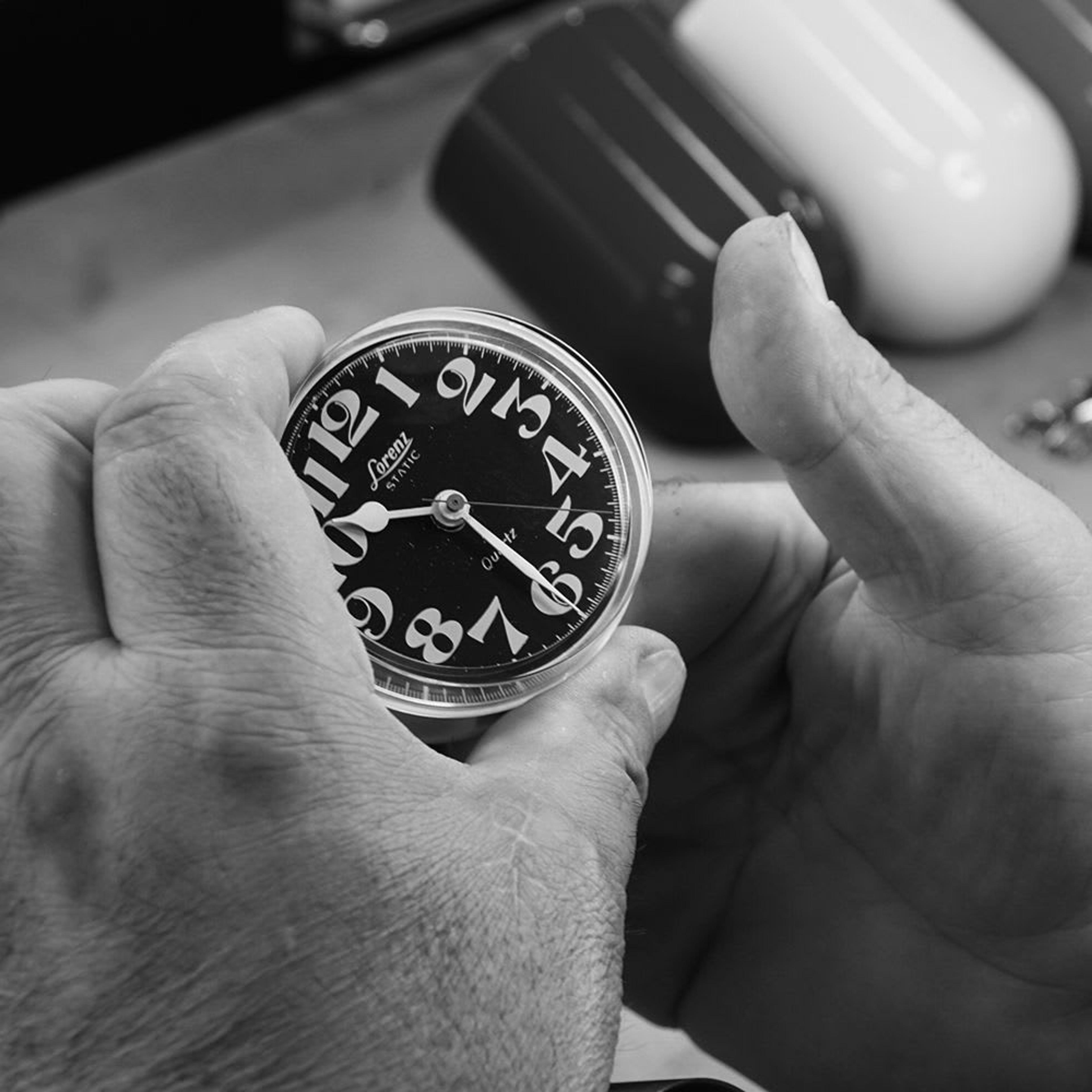
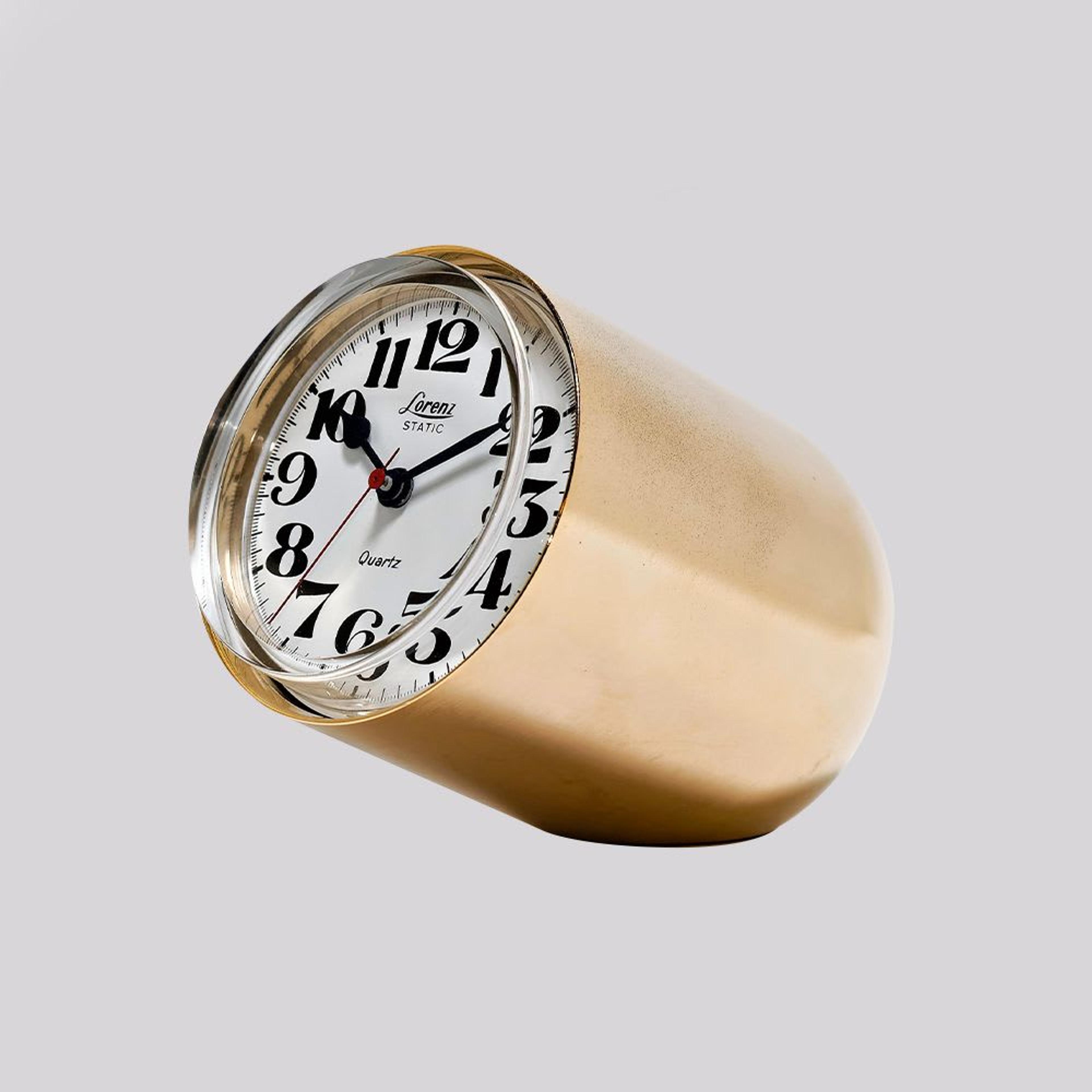
Tullio Bolletta, the founder of timepiece manufacturer Lorenz, approached German designer Richard Sapper in 1959 to collaborate on a challenging project. Lorenz wanted to repurpose internal clock mechanisms made during the war for torpedoes into table clocks. After much trial and error, Sapper’s sleek design hid the bulky mechanisms in a cylindrical frame with a cut edge to sit on the table and added a clock face from a fighter jet. Known as the Lorenz Static, Sapper’s design was awarded the Compasso d’Oro in 1960. In 2017, Lorenz started producing Static table clocks once again.

Giorgio Collection

Lombardia, Italy | Furniture Maker

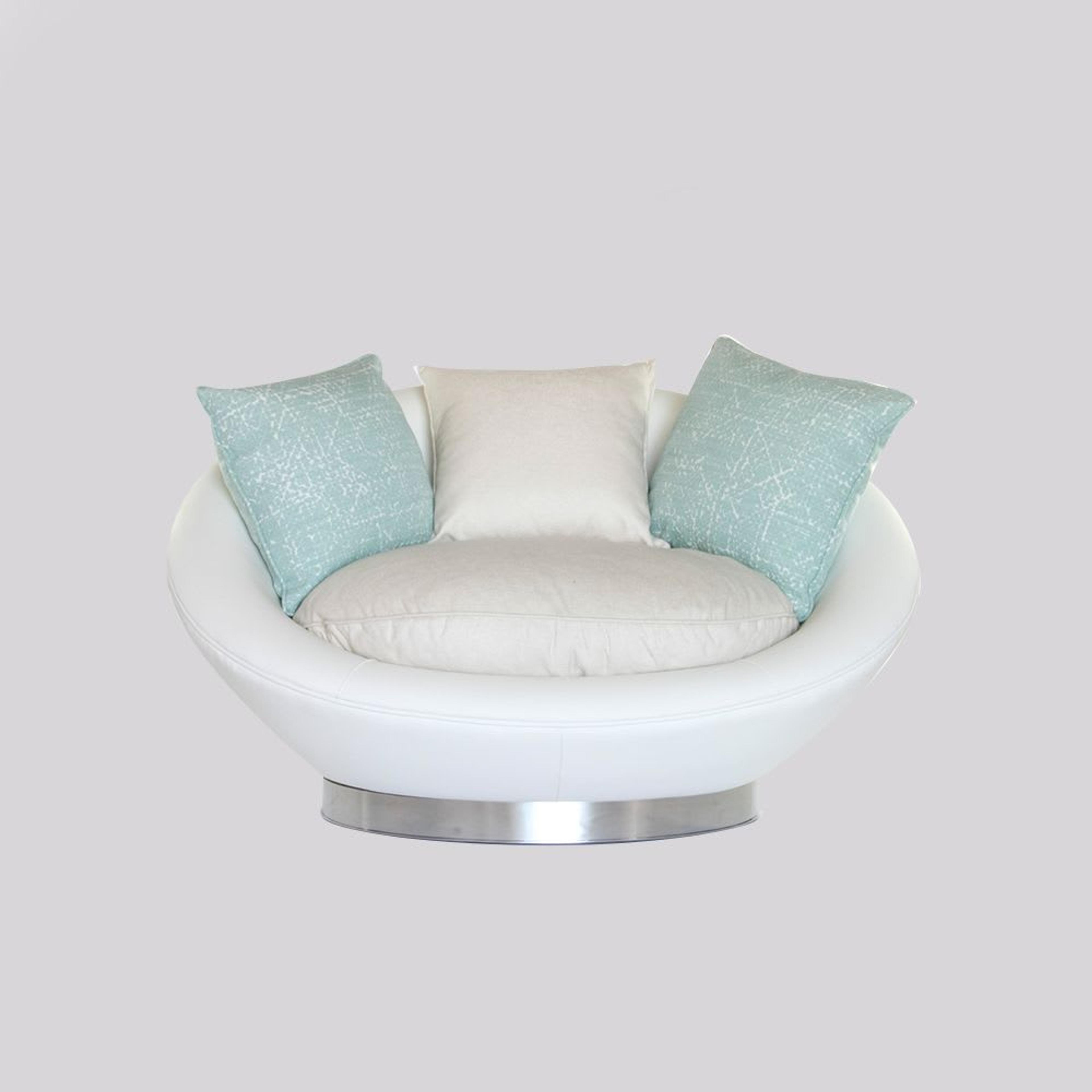
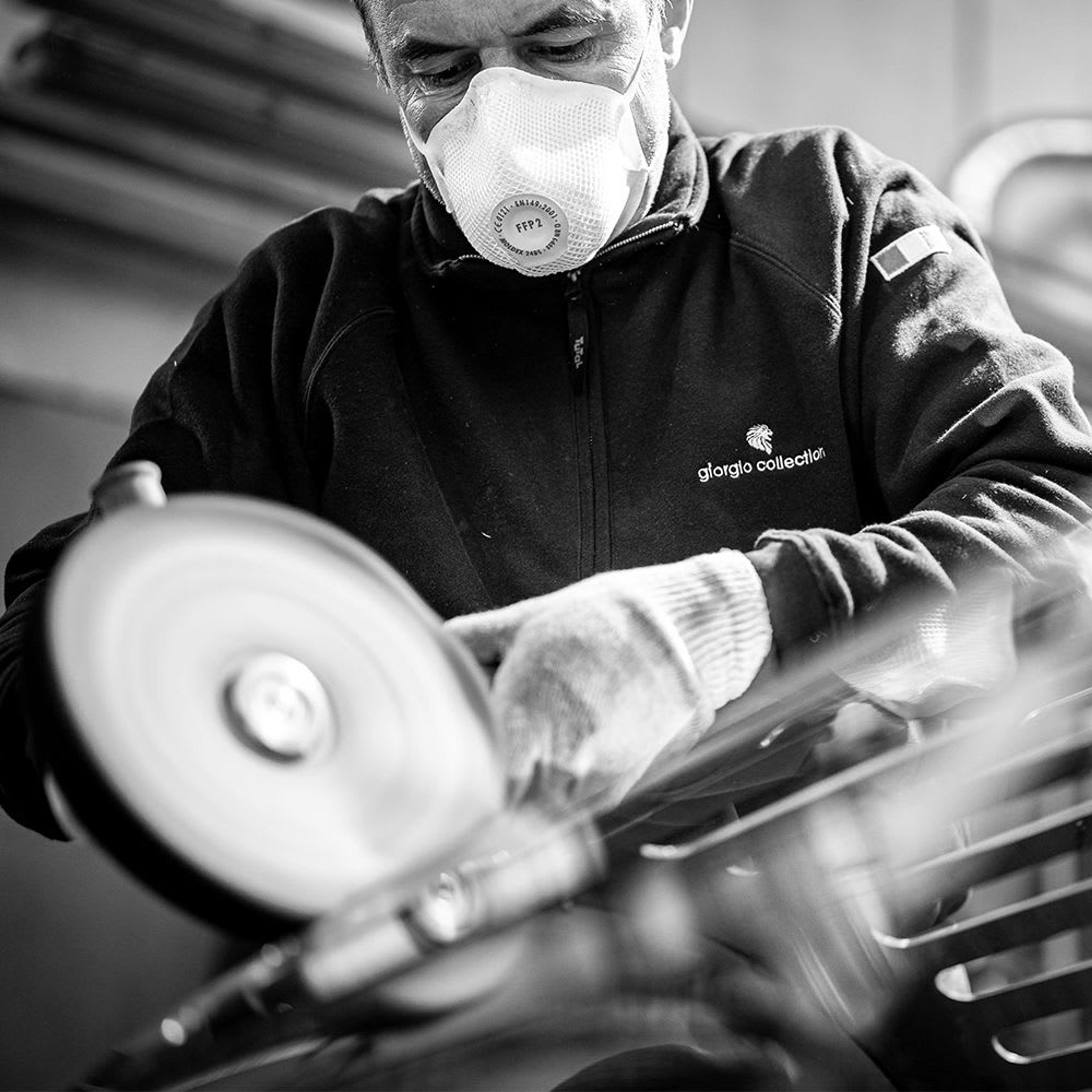
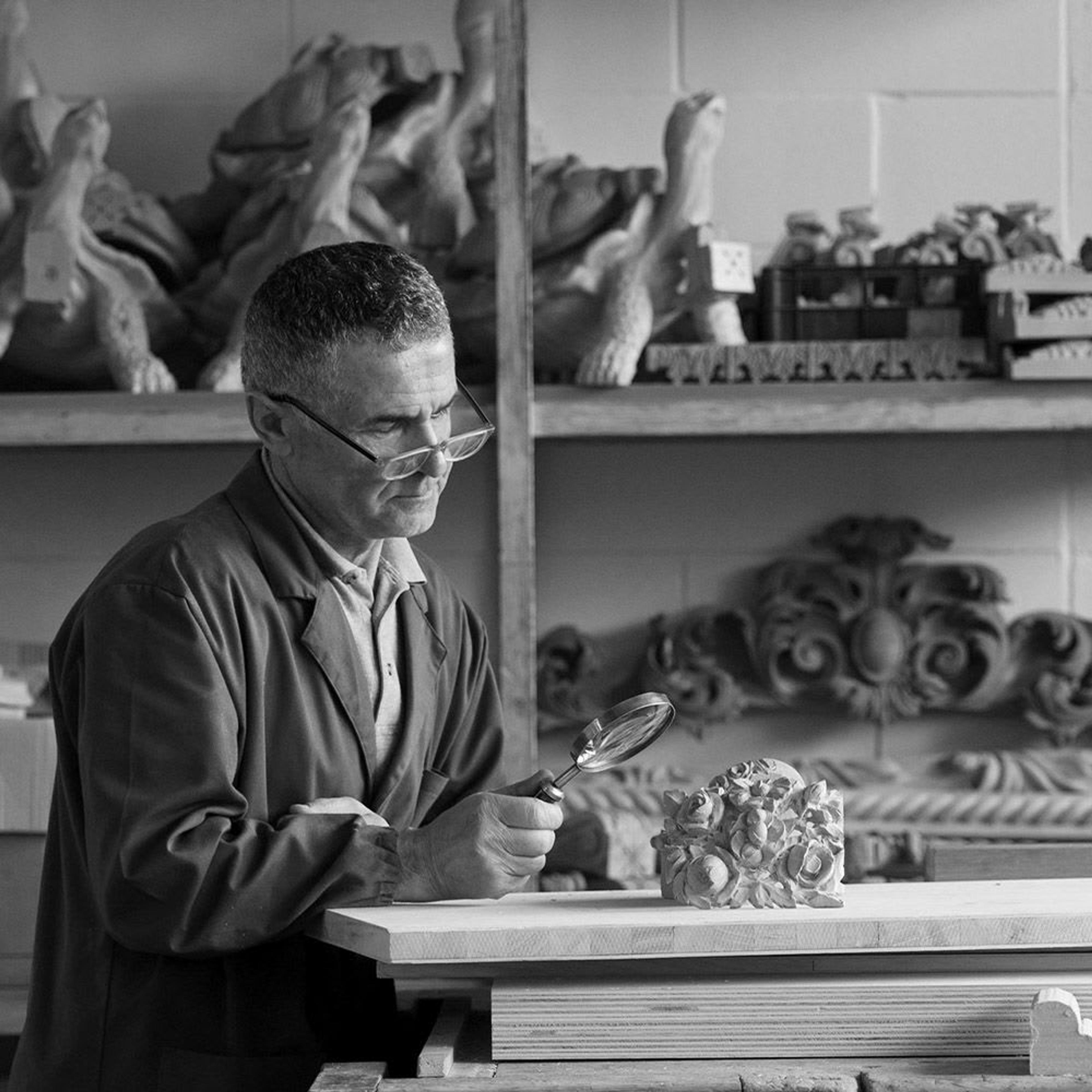
Passion for artisanal luxury, attention to detail, and entrepreneurial spirit run in the veins of the Masolo family. Founded in 1956, the Giorgio Collection is specialized in luxury furniture with Art Deco and futuristic influences. Based in Seregno - in the heart of the renowned Brianza furniture district near Milan - the company is currently run by Fabio Masolo, who ensures the brand maintains its avant-garde spirit and ability to foresee trends. Entrepreneurial talent and artisan mastery are unmissable ingredients to this secret recipe.
Pietro Spoto Studio

Lombardia, Italy | Designer

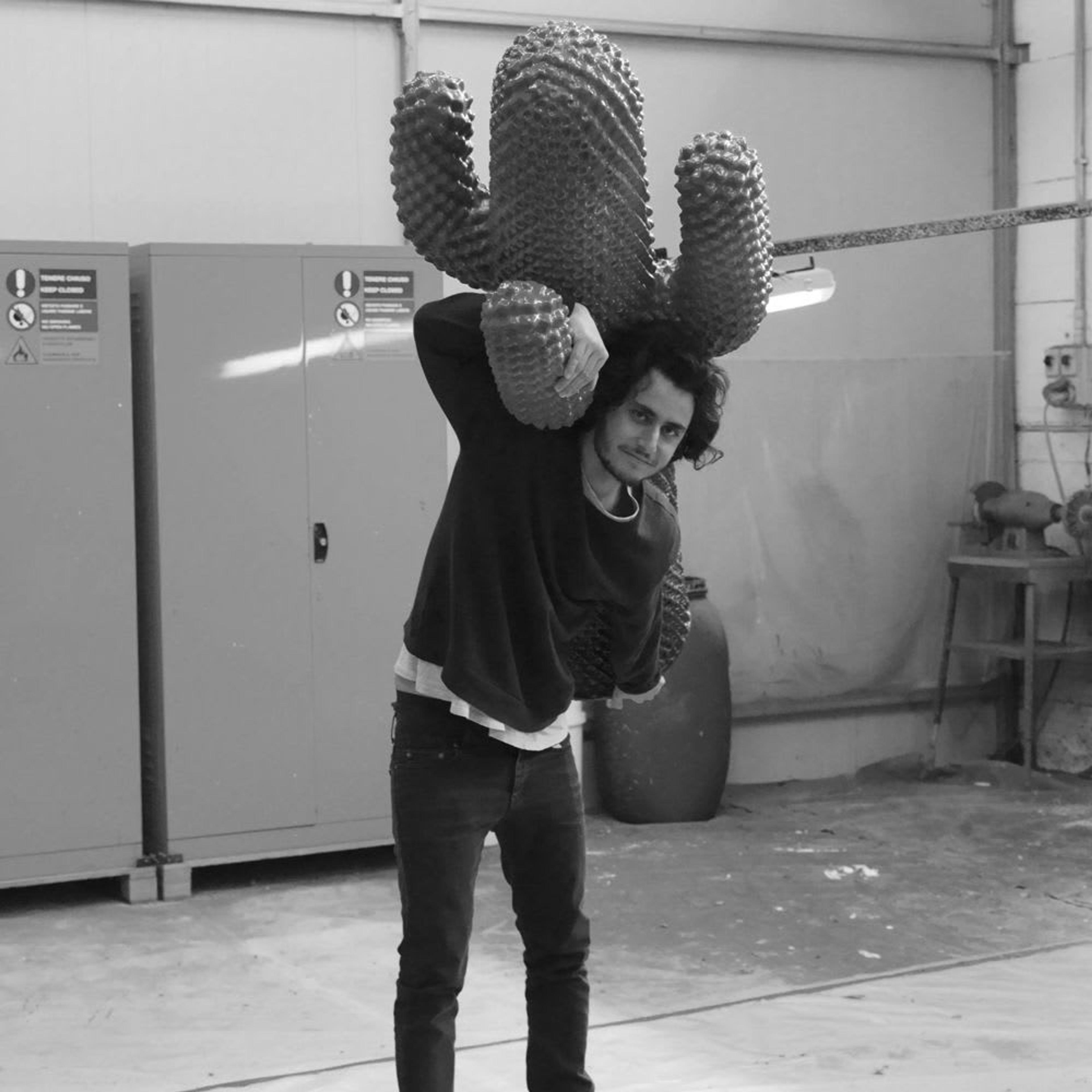
Fluidity is Pietro Spoto’s artist trademark. A sculptor, visual artist and designer, Spoto is the founder and Creative Director of Studioliquido Milano, a workshop where his projects - ranging from product design to scenography - come to life. His original style synthesizes various references embedded with emotional, cultural, and environmental significance. Spoto has served as a creative consultant for Martin Margiela Maison, Fondazione Mudima, DOCVA Viafarini, and other international brands.

Rivolta Carmignani

Lombardia, Italy | Textile Designer

Located in its historic Macherio headquarters only a few kilometers outside of Milan, Rivolta Carmignani has been producing prized linens for over 150 years. Now run by the fifth and sixth generations, the unrivaled quality of the yarns, the sartorial expertise, and the tailor-made optioning earned it international plaudit amongst exclusive hospitality contexts worldwide. Timeless class is its trademark, made possible thanks to the coexistence of artisan techniques, cutting-edge technologies, and traditional elements.
Provasi

Lombardia, Italy | Furniture Maker

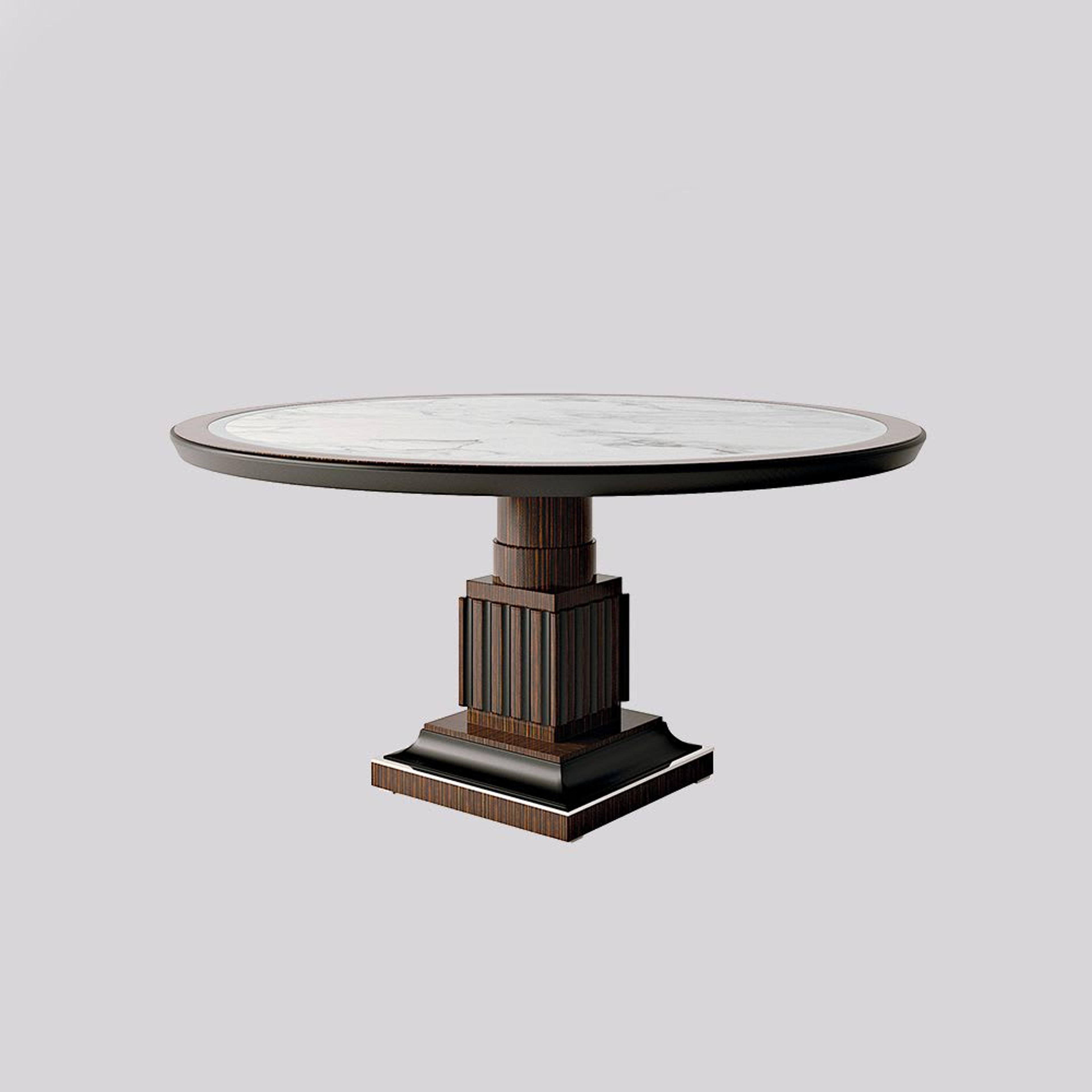
A sublime expression of elegance, Provasi creates magnificent furniture fashioned using first-rate materials and exceptional finishes. Founded in 1970 in Brianza by brothers Enrico, Paolo, Giovanni, and Roberto, it is a family-run business that draws inspiration from 18th- and 19th-century English and French classical furniture. Each piece by Provasi is a unique showcase of traditional craftsmanship, handmade by master artisans who create spectacular carvings and inlays, enhancing their works with stunning original allure.

Agustina Bottoni

Lombardia, Italy | Designer

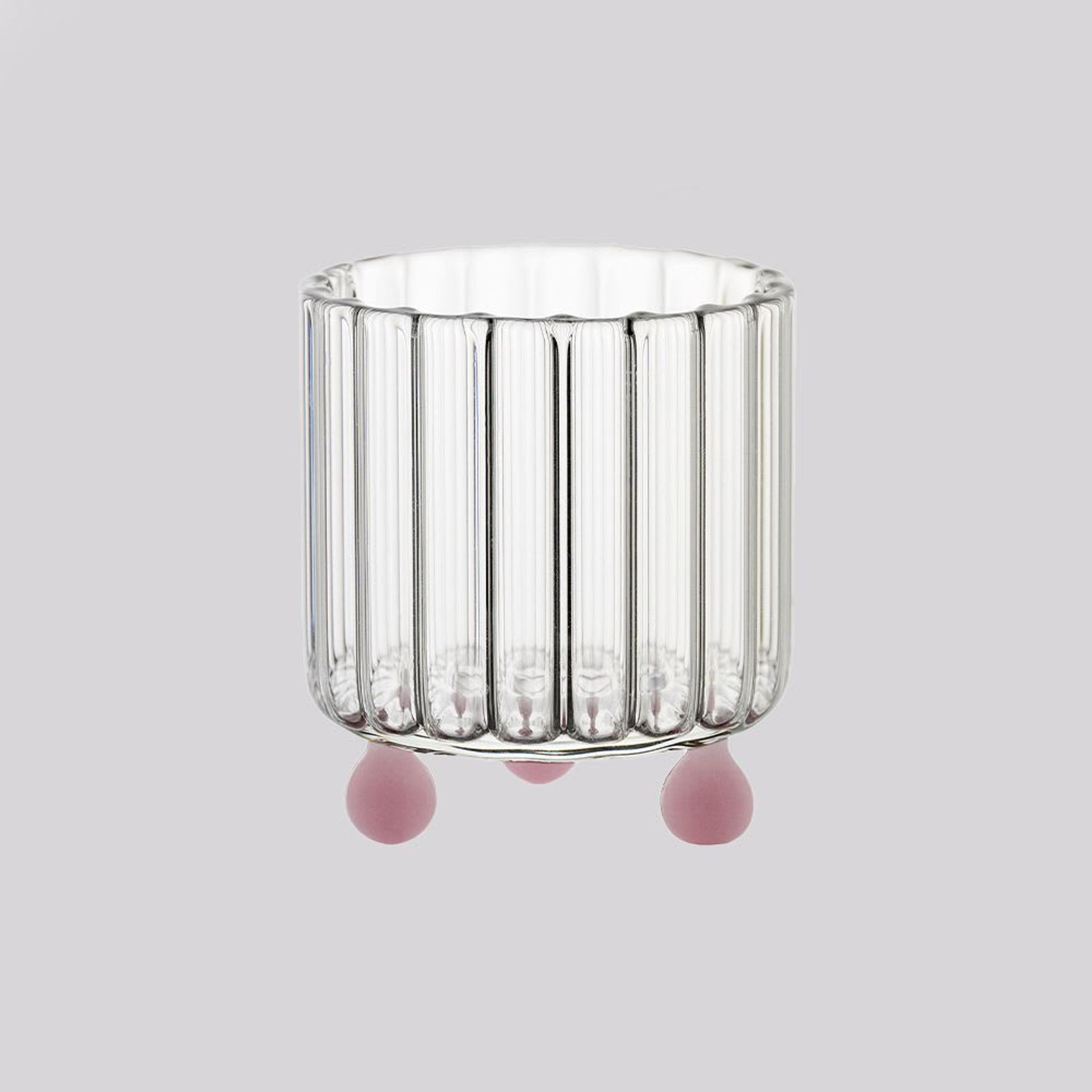
Agustina Bottoni is an Argentinean artist from Buenos Aires who lives and works in Milan, Italy. Working alongside local Italian artisans, she dedicates her research to material authenticity, form, and color to fashion spectacular glassware, sculptures, and lighting fixtures of stunning contemporary flair. Bottoni has exhibited her works in various art and designs institutions and designs evocative pieces for international companies and galleries.
Emilie Lisi

Lombardia, Italy | Artist

Emilie Lisi moves between ceramics, art, design and embroidery with attention to the concreteness of the object and, at the same time, to the relational value beyond form. In this compositional process we find raw and refined lands, pure and variegated in a mixture that leads to the alchemical. A deep half-breed that the artist obsessively molds and shapes terracotta inside and out, alternating refined craftsmanship and a restless intuition for the invisible core of objects. The compositions grow in an atmosphere of continuous experimentation; the fragility of the material suggests directions, shape, architecture and color. Emilie's ceramics, in their elegance and formal power, maintain mysterious sides, reverse embroidery, dark hollows revealing themselves to be fragile buildings of the intimate.